Reverse Decluttering: Why Letting Things Stay a Little Longer Can Finally Create Real Calm
Reverse decluttering flips the usual approach by focusing on what earns its place, reducing pressure, and allowing clarity to emerge without force.
Most decluttering advice begins with a familiar demand: decide what to get rid of. That question alone can tighten the chest. It assumes clarity you may not have yet, and energy you might already be short on.
Reverse decluttering works from a different starting point. Instead of asking what should leave, it asks what genuinely needs to stay. Not what could stay. Not what used to matter. Just what earns space in your life as it is right now.
This small shift matters more than it sounds. It moves the focus away from loss and toward presence. You are no longer negotiating with guilt or imagined future versions of yourself. You’re simply noticing what supports your days.
For many people, this approach feels quieter. There is less pressure to perform, explain, or justify. You’re not building a case against your belongings. You’re observing your relationship with them.
Reverse decluttering doesn’t require a purge or a timeline. It can begin in a single room, or even a single drawer. The pace is intentionally unremarkable. Nothing dramatic needs to happen for it to be effective.
What changes first isn’t the room. It’s the tone of the conversation you’re having with yourself. And that softer tone is often what allows honest decisions to surface later, without force.
Why traditional decluttering often creates resistance
If decluttering has felt exhausting or emotionally charged in the past, that response makes sense. Traditional methods often rely on quick decisions, visible progress, and a kind of moral energy around “letting go.”
That framing can quietly trigger resistance. The brain interprets rapid decision-making as threat, especially when objects are tied to identity, memory, or money. Even neutral items can start to feel loaded once a timer is set or a rule is imposed.
Reverse decluttering avoids that friction by removing urgency from the process. There’s no requirement to decide everything now. In fact, not deciding is part of the design.
When you’re not bracing for loss, your nervous system stays calmer. You’re more able to notice subtle signals, like which items you reach for without thinking, and which ones you step around or work around.
This approach also reduces the feeling of being evaluated. You’re not measuring yourself against an ideal home or a minimalist standard. You’re simply paying attention.
Over time, resistance softens because nothing is being taken prematurely. Items that don’t belong tend to reveal themselves through disuse, inconvenience, or quiet annoyance. When they do, the decision feels obvious rather than forced.
That ease is not a shortcut. It’s the mechanism that makes lasting change possible.
Focusing on use instead of worth
One of the quiet strengths of reverse decluttering is how it sidesteps the question of worth. You don’t have to decide whether an item was a mistake, a waste of money, or something you should have outgrown by now.
Instead, the focus stays on use. Does this item play an active role in your current life? Does it support how your days actually unfold?

This distinction matters because worth is abstract and emotionally charged, while use is concrete. You can observe use without judgment. You either reach for something, or you don’t. It either makes a task easier, or it adds friction.
By anchoring decisions in use, reverse decluttering reduces the mental load. You’re not sorting your past choices or future intentions. You’re noticing the present.
This can be especially helpful in homes shaped by transition. Moves, caregiving, career shifts, or health changes often leave behind objects that once fit but no longer do. Reverse decluttering gives those items time to become clearly out of sync, without forcing the realization.
Use-based awareness also builds trust. You begin to trust your patterns instead of overriding them. That trust tends to ripple outward, making later decisions simpler and less emotional.
Nothing is rushed out the door. But very little needs defending, either.
Letting space clarify itself over time
Reverse decluttering treats space as something that reveals information, not something that needs to be conquered. When you stop filling every shelf by default, patterns start to show.
Empty space becomes a signal rather than a failure. It shows you where you naturally don’t need as much. Crowded areas, on the other hand, highlight where too many items are competing for the same role.
This approach allows clarity to emerge gradually. Instead of sorting everything into keep or donate piles, you live alongside your belongings and notice which ones quietly fade into the background.
Often, the decision to remove something happens weeks or months after you first notice it isn’t being used. By then, the emotional charge is gone. The item feels finished, rather than taken.
There’s also less rebound clutter. Because items leave only after they’ve proven unnecessary, you’re less likely to replace them out of anxiety or regret.
Reverse decluttering respects timing. It accepts that understanding often lags behind intention, and that’s not a problem to fix. It’s simply how humans process change.
Space doesn’t demand immediate answers. When given room, it tends to speak clearly on its own.
How reverse decluttering rebuilds trust with yourself
Perhaps the most understated benefit of reverse decluttering is the way it rebuilds self-trust. Many people come to decluttering already doubting their judgment, convinced they either keep too much or get rid of the wrong things.
Reverse decluttering removes the pass–fail dynamic. There’s no single right decision you can mess up. Items stay until their purpose feels complete.
Each small observation becomes a data point rather than a test. Over time, you start to see that your instincts are consistent. You notice what you rely on. You notice what drains your attention.
That accumulation of quiet evidence changes the relationship you have with your home. Decisions feel grounded instead of reactive. You’re not following rules. You’re responding to lived experience.
This trust tends to extend beyond objects. People often report feeling less rushed, less self-critical, and more settled in other areas of life as well. Not because they tried to improve themselves, but because they stopped pushing.

Reverse decluttering doesn’t demand confidence up front. It allows confidence to grow as a side effect of paying attention.
And that makes it easier to keep going, without needing to prove anything to yourself along the way.
Starting with what already feels easy
Reverse decluttering often begins almost accidentally, with the things that already feel settled. These are the items you use without thinking, the ones that don’t create friction or second-guessing.
Beginning here matters. When you start with ease, your brain doesn’t brace itself. There’s no sense of effort or self-correction. You’re simply noticing what works.
This might look like opening a cabinet and realizing there are a few items you always reach for, while the rest stay untouched. Or noticing that certain clothes move through your week smoothly, while others quietly demand extra thought.
Reverse decluttering invites you to anchor around those easy yeses. They form a kind of baseline. Not an ideal, but a reference point.
From there, contrast becomes visible. Items that don’t align stand out more clearly, not because they’re wrong, but because they interrupt flow. They require adjusting, compensating, or remembering.
Starting with ease also protects energy. You’re not spending it on debate or justification. You’re conserving it, which makes the process feel sustainable rather than draining.
Over time, this gentle starting point trains your attention. You begin to recognize what support feels like in your home. And once you know that feeling, it becomes much easier to notice when something isn’t offering it anymore.
Why fewer decisions can lead to better ones
One of the reasons reverse decluttering feels calmer is that it dramatically reduces the number of decisions you’re asked to make at once. Traditional decluttering often compresses dozens of choices into a short window, which can overwhelm even the most motivated person.
Reverse decluttering spreads decisions out over time. Many choices aren’t made consciously at all. They’re revealed through patterns of use and non-use.
This spacing matters. When decisions aren’t stacked back to back, each one carries less emotional weight. You’re not trying to be consistent or efficient. You’re responding to what you notice in the moment.
Fewer decisions also mean less mental fatigue. When your mind isn’t tired, clarity improves. You’re more likely to sense when an item feels complete in your life, rather than forcing a verdict.
There’s also less regret. Because items leave after a period of observation, the decision feels informed. You’ve seen the evidence. The outcome doesn’t feel hypothetical.
Reverse decluttering trusts that good decisions don’t need to be fast to be effective. In fact, slowness is often what allows them to settle properly.
Instead of pushing yourself to decide well under pressure, you create conditions where decisions almost make themselves. And that shift can be surprisingly relieving.
Making peace with items that stay for now
A core element of reverse decluttering is accepting that some items will stay longer than you expect. Not because you’re failing, but because clarity hasn’t arrived yet.
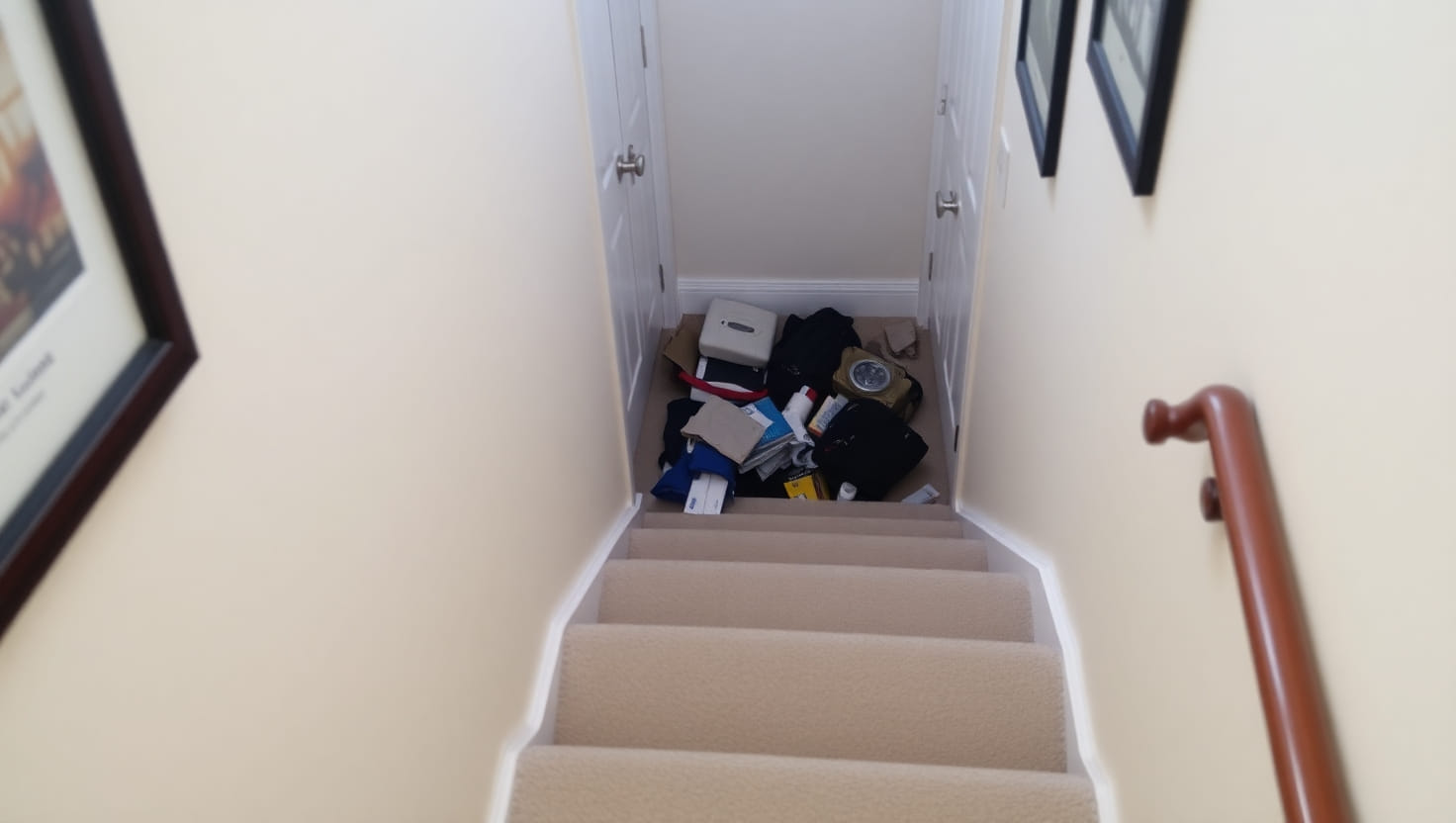
This can feel uncomfortable at first, especially if you’re used to equating progress with removal. But staying is not the same as stagnation. It’s part of the process.
When items are allowed to remain without pressure, their role becomes clearer. Some eventually reassert their usefulness. Others quietly drift into irrelevance.
Making peace with this waiting period removes a lot of internal noise. You’re no longer arguing with yourself about timing. You’re simply allowing it.
This approach is particularly helpful with sentimental or “maybe someday” items. Instead of forcing a decision before you’re ready, you let time and context do some of the work.
Often, the emotional charge fades on its own. The item stops representing a question you need to answer and becomes just an object again. When that happens, decisions feel lighter.
Reverse decluttering doesn’t rush resolution. It recognizes that readiness is not something you can manufacture. It arrives when enough information has accumulated.
Until then, staying is not a problem to solve. It’s a neutral state, and sometimes a necessary one.
How reverse decluttering handles sentimental things differently
Sentimental items tend to derail traditional decluttering because they collapse time. The past rushes in all at once, and decisions feel loaded with meaning.
Reverse decluttering changes the conditions around those objects. Instead of asking you to decide their fate, it asks you to notice their presence.
How do you interact with them now? Do they bring comfort, or do they quietly ask something of you? Do you seek them out, or do you avoid engaging with them altogether?
These questions are observational, not evaluative. They don’t demand an answer today.
By allowing sentimental items to stay without constant reevaluation, you reduce emotional fatigue. You’re not repeatedly reopening the same internal conversation.
Over time, your relationship with the item may change. The memory it holds may feel complete. Or you may realize that the meaning lives with you, not in the object.
When a decision eventually comes, it often feels respectful rather than ruthless. You’re responding to a natural shift, not enforcing a rule.
Reverse decluttering doesn’t minimize sentiment. It gives it enough space that it no longer overwhelms everything else.
The role of visibility and gentle friction
Visibility plays a quiet but important role in reverse decluttering. Items that remain visible tend to declare their usefulness quickly. Items tucked away often tell a different story.
This isn’t about hiding things to forget them. It’s about noticing where gentle friction exists. If an item is stored carefully but never retrieved, that friction is information.
Reverse decluttering pays attention to these signals. Not with judgment, but with curiosity.
Sometimes, simply moving an item into your regular line of sight is enough. If it still doesn’t get used, the message becomes clearer over time.
Gentle friction also shows up in routines. When something complicates a task instead of supporting it, that complication becomes noticeable when you’re not rushing to decide.
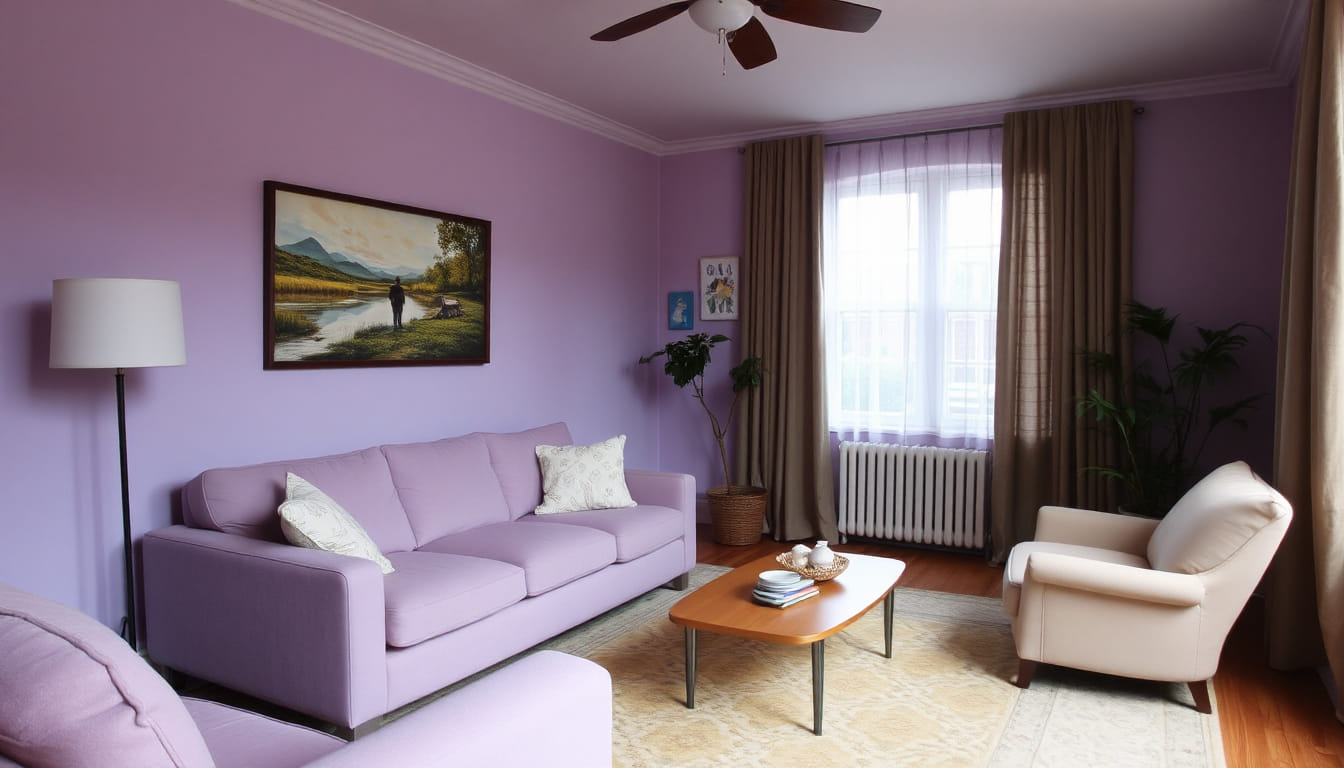
Because nothing is being forced out, friction isn’t threatening. It’s just data. You’re free to notice it and move on.
Eventually, patterns repeat often enough that conclusions feel obvious. The decision to remove something doesn’t feel like a leap. It feels like acknowledging what’s already been happening.
That’s the quiet power of reverse decluttering. It lets visibility and experience do the persuading, without pressure or debate.
When reverse decluttering works best in real life
Reverse decluttering tends to work best during seasons where capacity is limited. Times of transition, fatigue, or emotional load are not ideal for high-effort decision-making, but they are well suited to observation.
This approach fits naturally into real life because it doesn’t require you to create special conditions. You don’t need a free weekend or a burst of motivation. You simply live, and notice.
Homes with shared space often benefit in particular. When multiple people’s belongings overlap, traditional decluttering can create tension. Reverse decluttering sidesteps that by focusing on interaction rather than ownership.
It’s also well suited to people who have tried decluttering before and felt burned by the aftermath. If you’ve experienced regret, rebound clutter, or the sense that nothing really changed, slowing the process can rebuild confidence.
Reverse decluttering doesn’t demand optimism. You don’t have to believe it will work. You just have to be willing to pause the push.
Because it integrates into daily routines, it adapts easily. Some areas clarify quickly. Others take longer. That variability is expected, not a problem.
Rather than asking you to rise to the method, the method lowers itself to meet you where you are. That flexibility is often what allows it to stick, quietly, over time.
How reverse decluttering changes your sense of enough
As reverse decluttering unfolds, something subtle begins to shift. Your sense of what is enough starts to recalibrate, not through rules, but through experience.
When you see which items consistently support you, excess becomes easier to recognize. Not because it’s bad, but because it’s unnecessary.
This awareness doesn’t arrive as a dramatic realization. It shows up as a quiet preference. You start to notice that fewer options feel lighter. That repetition can be comforting rather than boring.
Reverse decluttering allows enough to be defined personally. Not by trends, not by numbers, and not by comparison. Enough becomes contextual.
This shift is often accompanied by a decrease in aspirational clutter. Items meant for a different lifestyle lose their grip when you’re grounded in how your days actually function.
There’s less temptation to optimize. You’re not chasing the perfect setup. You’re responding to what already works.
Over time, this changes how new items enter your home as well. You’re more attuned to fit and function, because you’ve spent time noticing them.
Enough stops being a target. It becomes a feeling you recognize when it’s present, and trust when it’s not.
Reverse decluttering as a long conversation, not a project
One of the most important reframes in reverse decluttering is letting go of the idea that this is a project with an endpoint. It’s better understood as an ongoing conversation.

Projects ask for completion. Conversations evolve. They pause and resume without penalty.
This matters because homes are not static. Needs change. Energy changes. What supports you one year may quietly step aside the next.
Reverse decluttering accommodates that movement. There’s no sense of failure when clutter reappears, because the system was never about finality.
Instead of asking, “Am I done?” the question becomes, “What’s true right now?”
That shift removes a lot of pressure. You’re not maintaining a standard. You’re staying in relationship with your space.
This also means there’s no need to start over. Each observation builds on the last. Even long pauses don’t erase progress.
By treating decluttering as a conversation, you allow it to be responsive rather than rigid. That responsiveness is often what makes it sustainable across different life phases.
Nothing needs to be wrapped up neatly for it to be working.
What to expect emotionally as things slowly change
Emotionally, reverse decluttering tends to feel flatter at first. There are fewer highs and lows, fewer moments of triumph or frustration.
That neutrality can be unfamiliar. It may even feel like nothing is happening.
But under the surface, your relationship with your space is reorganizing. You’re no longer bracing or bargaining. You’re observing.
As decisions eventually surface, they often come with less drama. There’s less second-guessing, because the choice feels like a recognition rather than a judgment.
Some people notice a growing sense of steadiness. The home feels more predictable, even before it looks different.
You may also notice moments of relief that don’t have a clear cause. A drawer that opens easily. A shelf that feels calmer.
These changes are cumulative. They don’t announce themselves. They just accumulate quietly.
Reverse decluttering doesn’t aim for emotional release. It aims for emotional steadiness. And that steadiness is often what allows deeper clarity to emerge later.
Allowing the process to remain unfinished on purpose
Reverse decluttering works best when you allow it to remain unfinished. Not because you’re avoiding completion, but because openness is part of the design.
An unfinished process leaves room for adjustment. It doesn’t lock you into past decisions or future expectations.
This can feel counterintuitive in a culture that values closure. But closure often creates pressure to defend what’s been decided.
By contrast, an open process allows you to stay flexible. If something stops working, you notice. If something becomes useful again, that’s allowed too.
Reverse decluttering trusts that stability comes from responsiveness, not rigidity.
There’s no finish line you need to cross to justify your effort. The benefit is in the ongoing ease, not in reaching a final state.
Allowing the process to stay open can be surprisingly freeing. You’re no longer managing an outcome. You’re simply tending to a relationship.
And that relationship can change shape without needing to be declared complete.
When the approach begins to settle into something steadier
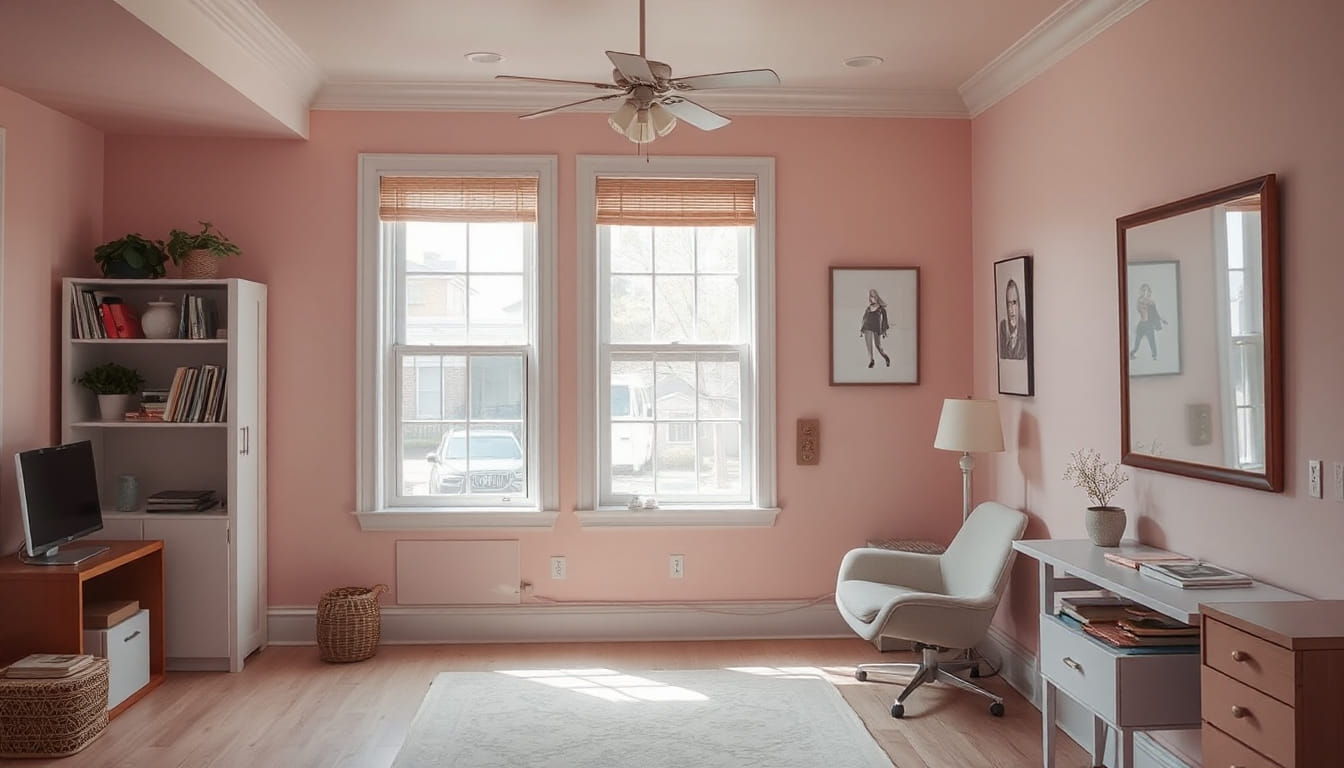
For many people, reverse decluttering opens a door rather than finishing a process. After the pressure lifts and decisions feel calmer, a new question often appears in the background. Not about how to declutter faster, but about how to make this sense of ease last.
This is usually the point where the work shifts again. Less observation, more integration. Less experimenting, more noticing what quietly holds.
There’s a difference between decluttering that happens once and decluttering that becomes part of how you live. Understanding that difference takes time. And it often grows out of exactly this slower, gentler phase.