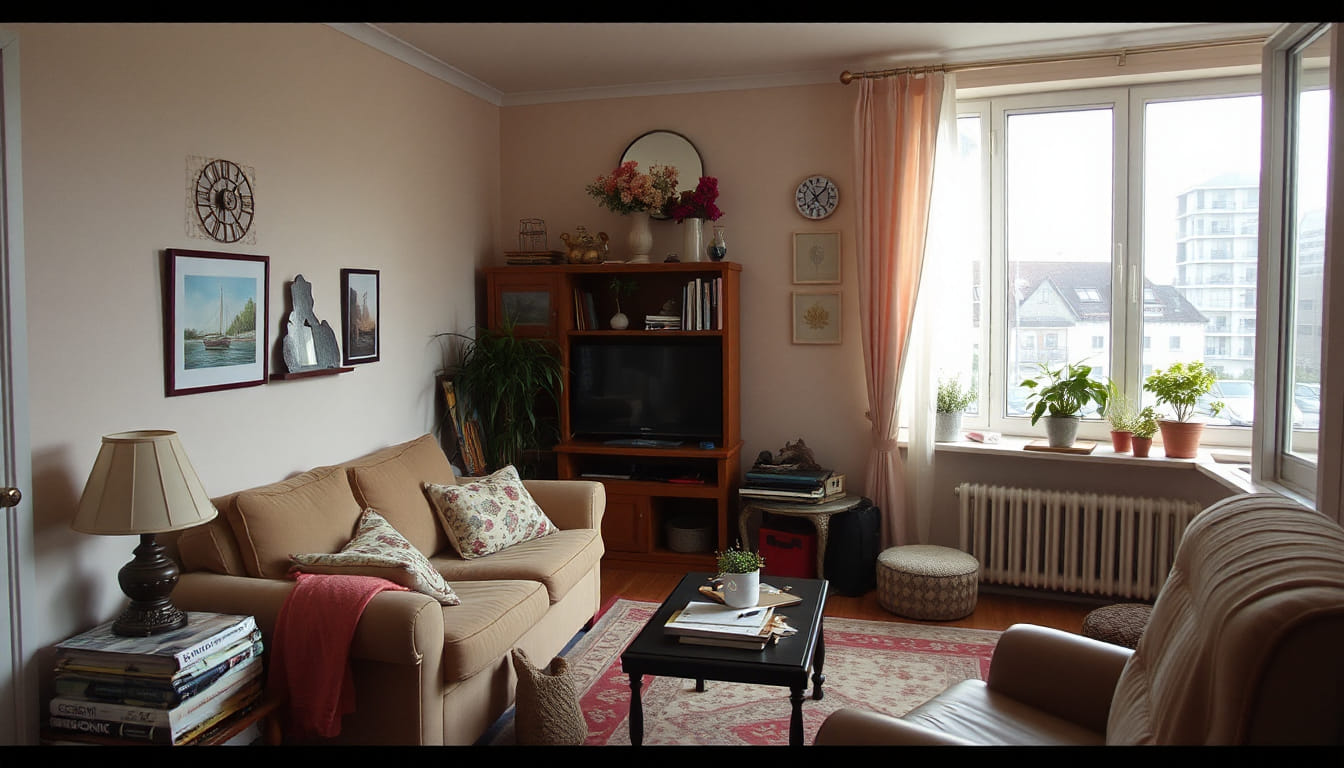
Need to Declutter My House Fast — When Everything Feels Urgent and You Don’t Know Where to Start
When the pressure to declutter quickly is high, it’s easy to freeze or make choices you regret later. This piece slows the moment just enough to help you regain footing without adding rules or urgency.
If you’re thinking “I need to declutter my house fast,” it usually doesn’t come from nowhere. Something tipped the balance. Maybe company is coming. Maybe a move is looming. Maybe you just reached the point where the noise of your space feels louder than your thoughts.
This isn’t a place to prove discipline or make dramatic changes. You don’t need a system. You don’t need momentum. You don’t even need clarity yet.
This is a place to slow the moment just enough so the urgency doesn’t run the show. Decluttering done in panic tends to create more work later. Decluttering done with steadiness, even briefly, tends to hold.
We’ll move carefully. One idea at a time. Nothing here requires you to finish anything.
When “Fast” Is About Pressure, Not Time
When people say they need to declutter fast, they’re rarely talking about the clock alone. What they usually mean is that the situation feels tight. There’s a sense of being behind, exposed, or out of room—mentally as much as physically.
That pressure changes how decisions feel. Items start to blur together. Everything feels equally urgent. In that state, it’s common to either over-purge or shut down completely. Neither response is a failure. They’re both signs that the nervous system is doing its best to protect you.
The important thing to notice is that speed, in this moment, is emotional before it’s practical. You want relief. You want the volume turned down. You want the space to stop asking things of you.
Acknowledging that matters because it changes the goal. Instead of “finish decluttering,” the real aim becomes “create enough ease to think clearly again.” That kind of speed looks slower on the surface, but it moves more directly toward relief.
This is where many traditional approaches miss the mark. They assume urgency should be matched with intensity. In reality, intensity often amplifies the very stress that made things feel unmanageable in the first place.
Why Rushing Decluttering Often Backfires
It’s understandable to want the clutter gone as quickly as possible. The promise is simple: less stuff, less stress. But when decluttering is rushed, decisions tend to be made under strain rather than discernment.
In that state, people often second-guess themselves later. Items get donated that were actually needed. Things are shoved into closets just to clear surfaces. New organizing tools are bought to compensate for choices that didn’t quite settle. The house may look better briefly, but the sense of calm doesn’t last.
This isn’t because you did it wrong. It’s because decluttering involves identity, memory, and future planning, whether we intend it to or not. When those layers are forced to move too quickly, they resist.
There’s also a quieter cost to rushing: trust erodes. When you don’t trust your own decisions, every future decluttering session feels heavier. You hesitate more. You delay longer. The clutter starts to represent past regret rather than neutral objects.
Slowing down—even slightly—protects that trust. It allows decisions to land cleanly. That doesn’t mean dragging things out or making it complicated. It simply means giving your mind enough space to agree with your hands.
Separating Visual Chaos From Actual Clutter
One reason the need to declutter fast feels so intense is because visual chaos creates immediate mental fatigue. Piles, stacks, and surfaces full of mixed items all demand attention at once. The brain reads this as danger or disorder, even if the items themselves are harmless.
But visual chaos and true clutter aren’t the same thing. Visual chaos is about presentation. Clutter is about excess, misalignment, or items that no longer belong in your current life.
When everything is visible and nothing is contained, it’s easy to assume you need to make big, permanent decisions right now. Often, you don’t. Sometimes the fastest relief comes from reducing what your eyes have to process, not from deciding what stays forever.
This distinction matters because it changes what “fast” can responsibly mean. Fast can mean restoring visual rest. It can mean grouping like with like. It can mean moving items out of sight temporarily so your nervous system can stand down.
Once visual chaos is reduced, your capacity to think returns. What felt overwhelming a moment ago often becomes manageable. From there, real decluttering decisions tend to come more naturally, without force.
The Role of Energy, Not Motivation
In moments like this, people often tell themselves they just need more motivation. If they could push harder, focus better, or care less about the objects, the house would finally change.
But decluttering isn’t driven by motivation as much as by available energy. Mental, emotional, and physical energy all matter here. When those reserves are low, even simple decisions feel complex.
If you’re depleted, asking yourself to declutter fast is like asking a tired body to sprint. It’s not a character flaw if it doesn’t work. It’s a mismatch between demand and capacity.
Noticing your energy level allows you to adjust without judgment. You might realize that what’s possible today is narrower than what you hoped. That doesn’t make today a failure. It makes it accurate.
Accuracy is stabilizing. It prevents the cycle of overcommitting, burning out, and avoiding the task altogether. When decluttering aligns with the energy you actually have, progress may look modest, but it tends to stick.
Creating Immediate Relief Without Permanent Decisions
There’s a middle ground between doing nothing and making sweeping choices you’re not ready for. This is where immediate relief lives.
Immediate relief focuses on lowering friction in your space. It’s about making the house easier to be in right now, without asking yourself to decide the final fate of every item. This approach respects the urgency you’re feeling without letting it dictate irreversible actions.
Relief can come from clearing one surface so your eyes have somewhere to rest. It can come from gathering scattered items into a single container so they’re no longer shouting from every corner. It can come from returning obvious things to their usual places and letting the rest wait.

What matters is that the space begins to support you instead of demand from you. Once that shift happens, even slightly, the internal pressure often eases. From there, you’re more likely to make thoughtful choices later, when the situation no longer feels so tight.
This isn’t avoidance. It’s sequencing. You’re giving yourself back enough steadiness to decide what comes next when you’re ready, not when you’re cornered.
Letting the Situation Define the Scope
When everything feels urgent, it’s easy to assume the entire house needs attention at once. That assumption alone can make the task feel impossible. The mind scans room after room and concludes there’s no clean edge to begin from.
In practice, urgency usually comes from a much smaller area. A single room that’s become unlivable. A surface that no longer functions. A path through the house that feels narrowed or blocked. The pressure concentrates there, even if clutter exists elsewhere.
Letting the situation define the scope means responding to what’s actually asking for relief right now. Not what you wish you had handled months ago. Not what looks worst in comparison photos online. Just what’s interfering with daily life in a concrete way.
This approach reduces the emotional load immediately. When the scope is smaller, the decisions feel lighter. You’re no longer trying to solve your entire relationship with stuff. You’re tending to a specific friction point.
That narrowing isn’t avoidance. It’s alignment. When the most pressing area is addressed, the nervous system settles. Once that happens, other areas often feel less charged. The house hasn’t changed everywhere, but your capacity to engage with it has.
Why Starting With the Floor Changes Everything
Most people instinctively start decluttering by sorting piles or opening drawers. Those tasks involve choices, categorization, and memory. When you’re already overwhelmed, that kind of thinking can stall progress quickly.
The floor, on the other hand, is simple. It’s binary. Items are either on it or not. Clearing floor space restores movement, both physically and mentally. You can walk more freely. You can stand without navigating obstacles. Your body reads that as safety.
There’s also a psychological shift that happens when the floor is clear. The room begins to feel like a room again, not a storage area you happen to live in. That change often brings a quiet sense of dignity back into the space.
Importantly, clearing the floor doesn’t require you to decide what to keep forever. Items can be lifted and placed temporarily on a bed, table, or chair. The goal isn’t resolution. It’s circulation.
Once movement returns, decision-making becomes easier. You’re no longer stuck in place, literally or figuratively. The space starts to support you instead of resisting you, which is often all that’s needed to keep going calmly.
Understanding the Difference Between Sorting and Decluttering
In moments of urgency, sorting can feel productive. Items get grouped. Categories appear. The room looks busier but more organized. There’s a sense of effort being applied.

But sorting and decluttering serve different purposes. Sorting arranges what you already have. Decluttering reduces what asks for your attention. When time and energy are limited, confusing the two can lead to exhaustion without relief.
Sorting requires sustained focus. You’re holding multiple decisions open at once. Decluttering, done gently, often involves simpler judgments. This stays. This leaves. This can wait.
If you notice yourself making elaborate piles without feeling lighter, it may be a sign that sorting has taken over. That’s not wrong. It just may not match what you need right now.
When the need is speed and steadiness, less sorting often helps. Fewer categories. Broader containers. Decisions that close rather than multiply. This keeps momentum from turning into mental strain.
Clarity tends to arrive after space does, not before. Letting go of the need to organize everything perfectly can make the process feel more humane, especially when the pressure is already high.
Making Peace With Temporary Holding Spaces
Temporary holding spaces are often misunderstood. They’re seen as procrastination or clutter by another name. In reality, they can be one of the most stabilizing tools during a fast declutter.
A holding space gives items somewhere to rest while you regain clarity. It acknowledges that not every decision needs to be made in the same hour. This reduces the internal pressure to be decisive when you’re not ready.
These spaces work best when they’re contained and intentional. A box. A basket. A corner with a clear boundary. The container signals pause, not avoidance. It holds complexity so your mind doesn’t have to.
There’s also an emotional benefit. Items tied to memory or identity often carry more weight. Giving them a temporary home honors that weight without letting it dominate the moment.
When the immediate urgency passes, those holding spaces can be revisited calmly. Many people find that decisions feel easier then, simply because the situation no longer feels charged.
Using temporary solutions doesn’t mean you’re settling for disorder. It means you’re respecting timing. And timing, more than technique, is often what determines whether decluttering actually sticks.
When “Good Enough” Is the Right Standard
Urgency has a way of inviting perfectionism. If you’re going to do this now, you might as well do it right. That mindset can quietly raise the bar until nothing feels sufficient.
In reality, good enough is often the most functional standard during a fast declutter. Good enough means the space works better than it did before. It doesn’t mean it’s finished or optimized.
This standard protects you from burnout. It allows you to stop without guilt. It also builds trust with yourself, because you’re meeting the situation honestly rather than forcing an ideal.
Good enough creates continuity. When the experience of decluttering isn’t punishing, you’re more likely to return to it later. Small, humane improvements accumulate over time in ways that dramatic overhauls rarely do.
Letting good enough stand is not lowering your expectations for your home. It’s aligning them with reality. And in moments where everything feels urgent, that alignment can be deeply relieving.

You’re not choosing between chaos and perfection. You’re choosing steadiness. And steadiness has a way of carrying things forward, even when you stop sooner than you planned.
How Deadlines Change What You Actually Need
Deadlines have a way of distorting the task. When a date is looming, it can feel like the entire house is being evaluated, even if the deadline only touches a small part of your life. A guest visit, an inspection, a move—these events narrow the real requirement, but the mind often widens it.
What helps here is noticing what the deadline truly demands. Often, it’s functionality and access, not perfection. Clear walkways. Usable rooms. Surfaces that can be wiped down without moving piles first. These are practical needs, not aesthetic ones.
When you align your efforts with what the deadline actually measures, the work becomes more focused. You stop preparing for imagined judgments and start responding to concrete constraints. That shift alone can reduce a lot of internal noise.
Deadlines don’t have to be enemies. They can act as temporary boundaries that simplify decisions. The key is not letting them define your worth or your long-term relationship with your home. They’re just asking for enough order to pass through a moment in time.
Once that moment passes, the house can change again at a different pace. Nothing about this needs to be permanent unless you want it to be.
The Hidden Cost of Trying to “Catch Up”
Many people approach fast decluttering as a way to catch up with themselves. There’s a sense that the house fell behind somehow, and now it needs to be brought back in line all at once. This framing adds emotional weight to every object you touch.
Trying to catch up implies failure in the past. It quietly asks you to account for why things got this way. That question is rarely helpful when you’re already stretched thin. It tends to pull energy backward instead of supporting what’s needed now.
Letting go of the idea of catching up creates space. The house isn’t behind. It’s simply reflecting a period of full living, limited capacity, or shifting priorities. Those conditions don’t require fixing. They require accommodation.
When you release the need to make the house “match” some imagined standard, decluttering becomes less personal. You’re no longer correcting a mistake. You’re adjusting the environment so it fits your current life more comfortably.
That adjustment can be small and still meaningful. It can be partial and still valid. The pressure eases when the task is no longer tied to self-evaluation.
Why Decision Fatigue Is the Real Bottleneck
In fast decluttering, time is often blamed for the difficulty. But more often, the real bottleneck is decision fatigue. Each item asks a question, and after a while, even simple questions feel heavy.
Decision fatigue shows up as irritability, avoidance, or the urge to make impulsive choices just to be done. It’s not a lack of discipline. It’s a sign that your mental resources are being used faster than they’re replenished.

Understanding this shifts how you pace yourself. Instead of pushing harder, you might notice when choices start to blur. That’s usually the moment to simplify, pause, or switch to a task that doesn’t require judgment.
Tasks that involve movement, grouping, or clearing without deciding can extend your capacity. They give your mind a break while still improving the space. This keeps the process from turning into a battle of willpower.
When decluttering respects cognitive limits, it becomes more sustainable. You’re less likely to regret decisions or abandon the process entirely. The work fits the human brain you have, not the ideal one you wish you had that day.
Using Momentum Without Letting It Take Over
Momentum can be helpful in a fast declutter. Once you start, it can feel easier to keep moving. The danger is letting momentum override discernment. What begins as relief can turn into a rush that leaves you unsettled later.
Healthy momentum feels steady. You’re engaged but not frantic. You can stop without feeling like you’ve failed. Unhealthy momentum feels brittle. It demands continuation and punishes pause.
One way to protect against this is to check in with how your body feels as you move. If your breathing is shallow or your shoulders are tight, it may be a sign that things are speeding up internally, even if the task looks productive.
It’s okay to use momentum to clear space. It’s also okay to slow it down deliberately. You don’t owe the process constant acceleration. Decluttering isn’t improved by urgency once the initial pressure has eased.
Letting momentum serve you, rather than drive you, helps ensure that what you do today still feels right tomorrow.
When Stopping Is Part of the Process
There’s a quiet belief that stopping mid-declutter is a problem. That if you don’t finish, you’ve somehow failed the task. In reality, stopping is often a sign that you’ve reached a natural limit for that moment.
Stopping allows the work to settle. It gives your mind time to integrate the changes you’ve made. Often, clarity emerges after a pause, not during the push to continue.
Ending before exhaustion also preserves goodwill toward the process. When you stop while things still feel manageable, you’re more likely to return later. The house doesn’t become a reminder of overreach.
Stopping can be intentional. You might notice that the main source of pressure has eased, or that decisions are getting harder instead of easier. Those are reasonable places to pause.
Decluttering doesn’t have to be completed in one emotional state. It can unfold over time, in layers. Knowing when to stop is part of what keeps it humane, especially when everything started with the need to move fast.
When Fast Turns Into Something That Lasts
At some point, the urgent phase passes. The house is quieter. You can breathe again. What often follows is a different question, softer but more important: how to keep this from slipping away. Not by pushing harder, or repeating emergency cleanups, but by finding a rhythm that fits real life. This is where fast decluttering quietly hands off to sustainable change. Not a method to master, but an approach that respects energy, seasons, and limits. If that idea feels steady rather than exciting, you’re already closer than you think. This matters more long-term.