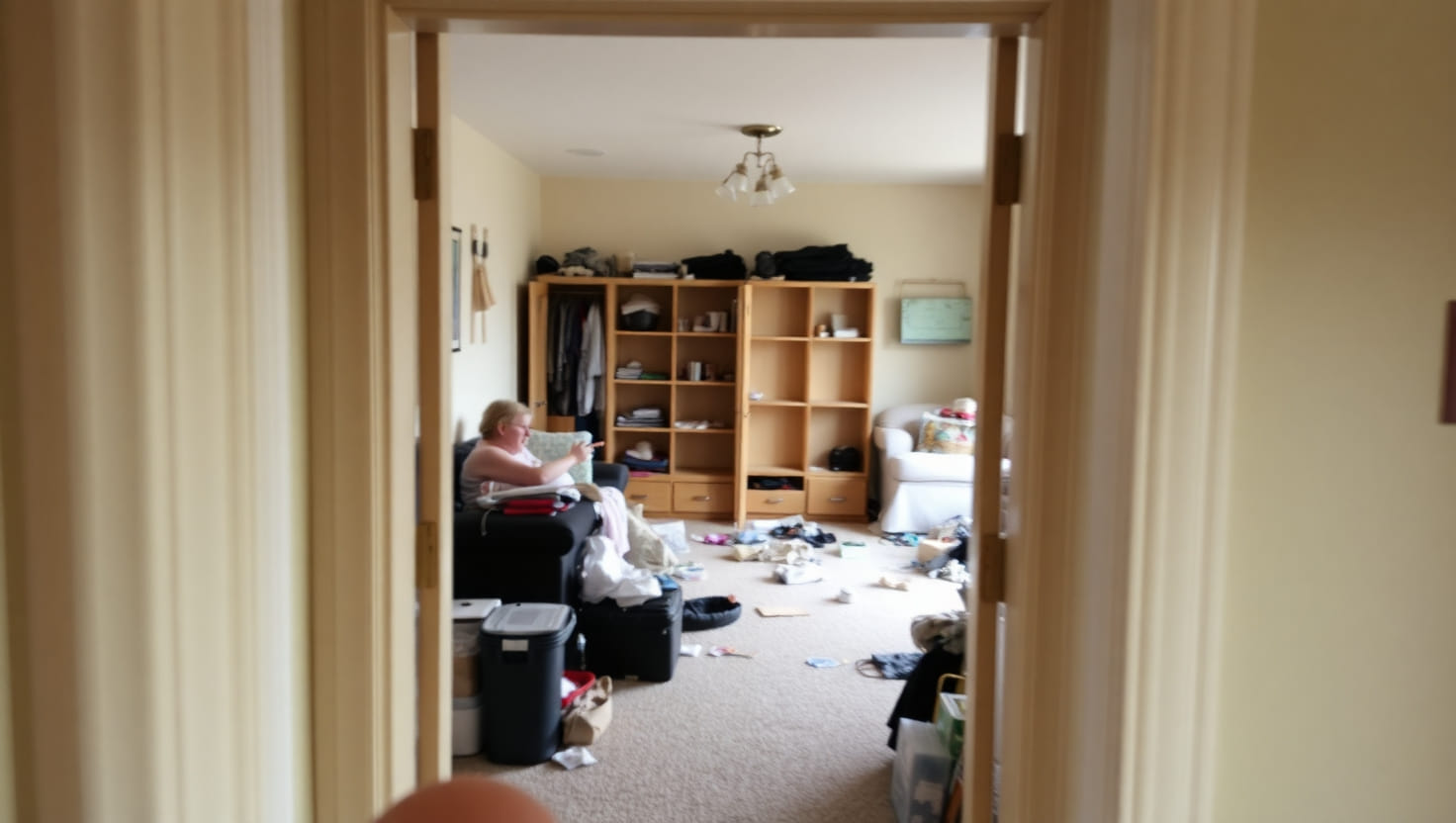
How to Declutter Your Home Without Rushing Yourself
A steady, pressure-free approach to decluttering your home that respects your energy, your history, and your timing.
If you’re searching for how to declutter your home, there’s a good chance you’re not just looking for instructions. You might be looking for relief. Or clarity. Or a way to move forward without feeling pushed, judged, or behind.
This isn’t a fast-clean plan or a dramatic reset. It’s a steadier way of thinking about your space—one that makes room for your real life, not an ideal version of it. You don’t need to be motivated. You don’t need to start fresh. You don’t need to finish anything here.
Decluttering your home can be quieter than most advice suggests. It can happen in small moments. It can adapt as your energy changes. And it can support you without asking you to become someone else first.
What follows is not a system to follow perfectly. It’s a set of ways to understand what’s happening between you and your things, so the process feels more humane and less demanding.
Why decluttering your home often feels harder than it looks
Most people don’t struggle with decluttering because they lack discipline. They struggle because decluttering asks for a kind of attention that’s already in short supply.
When you declutter your home, you’re making decisions. Hundreds of them. Each item carries context—money spent, time used, intentions that didn’t quite unfold. That mental weight adds up quickly, even when the object itself seems simple.
This is usually where frustration shows up. Not because you’re doing it wrong, but because the process is asking more than you expected. It’s common to feel stuck in rooms that don’t look especially cluttered, yet still feel heavy to be in.
Another quiet difficulty is timing. Many homes accumulate during busy or transitional seasons, but decluttering advice often assumes you’re starting from a place of surplus energy. If that’s not true for you, the gap between advice and reality can feel discouraging.
Understanding this changes the tone of the work. Instead of asking, “Why can’t I just get this done?” the question becomes, “What is this space asking of me right now?” That shift alone can lower the resistance enough to keep going.
Starting with capacity instead of goals
A common way to declutter your home is to begin with a goal: a clear kitchen, an empty spare room, a simplified closet. Goals aren’t wrong, but they can quietly override your current capacity.
Capacity is about what you can realistically handle—mentally, emotionally, and physically—on a normal day. Not your best day. Not a day with help and uninterrupted time. Just an ordinary one.
When you start with capacity, the process adjusts itself. You might work in shorter windows. You might make fewer decisions per session. You might leave some things untouched for now. None of that means you’re failing. It means you’re staying regulated enough to continue.
This approach also changes how you measure progress. Instead of looking for visible transformation, you notice subtler shifts: a drawer that closes easily, a surface that stays clearer, a room that feels slightly less tense.
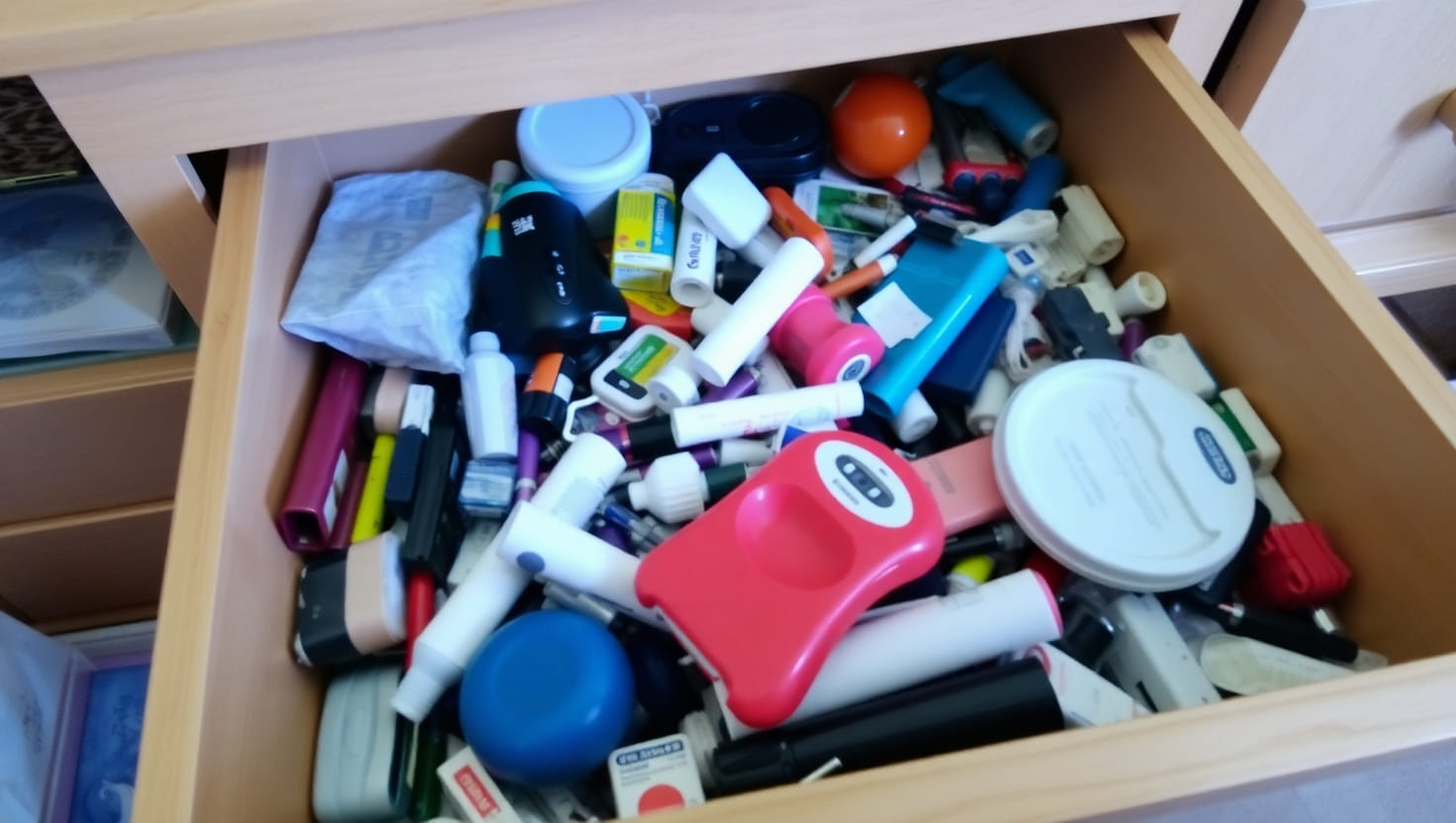
Decluttering your home this way isn’t about momentum. It’s about sustainability. When the process fits your life, it stops demanding constant willpower. It becomes something you can return to without dread.
Letting rooms reveal their role before you edit them
Before deciding what should leave a room, it helps to notice how the room is actually being used—not how you think it should be used.
Many homes carry rooms with assigned identities that no longer match real life. A dining room becomes a work zone. A guest room becomes storage. A living room becomes mostly a walkway. When you try to declutter without acknowledging this, the process stalls.
Instead of sorting items right away, spend time observing. What activities happen here naturally? What gets set down repeatedly? What do you avoid doing in this space?
These patterns are information. They tell you what the room is supporting and where it’s creating friction. Decluttering your home becomes easier when you’re editing in service of what already exists, rather than forcing a different use.
Once a room’s role is clearer, decisions simplify. Items that support that role feel easier to keep. Items that don’t belong feel less complicated to question. You’re no longer judging objects in isolation; you’re responding to the space as a whole.
This kind of clarity often arrives quietly, after looking without fixing for a while. That pause isn’t wasted time. It’s part of the work.
Working with categories that carry less emotional weight
Not all clutter feels the same. Some items are neutral. Others are loaded with memory, obligation, or identity. Trying to declutter everything at once treats these categories as equal, even though they’re not.
When you declutter your home, it’s gentler to begin where the emotional stakes are lower. Things like expired products, duplicates, or items that no longer function tend to require less internal negotiation.
Starting here does two things. First, it reduces visual noise without draining you. Second, it builds a sense of trust in yourself. You experience making decisions and feeling okay afterward.
As that trust grows, slightly heavier categories feel more approachable. Not easy—but possible. You’re no longer proving that you can declutter. You’re simply continuing something you’ve already been doing.
This pacing matters. Emotional fatigue is one of the main reasons people abandon the process entirely. By respecting it, you’re not slowing yourself down. You’re preventing burnout before it sets in.
There’s no requirement to tackle sentimental items early. Or ever, if now isn’t the time. Decluttering your home doesn’t need to be emotionally comprehensive to be meaningful.
Creating stopping points that protect your energy
One of the least discussed parts of decluttering is knowing when to stop.
Many people push until they’re depleted, believing that finishing is what creates relief. In reality, overextending often attaches exhaustion to the process, making it harder to return.
Intentional stopping points change that association. You might stop when decision-making feels slower. Or when irritation rises. Or simply when the time you set aside ends. Stopping while you still feel steady preserves goodwill toward the work.
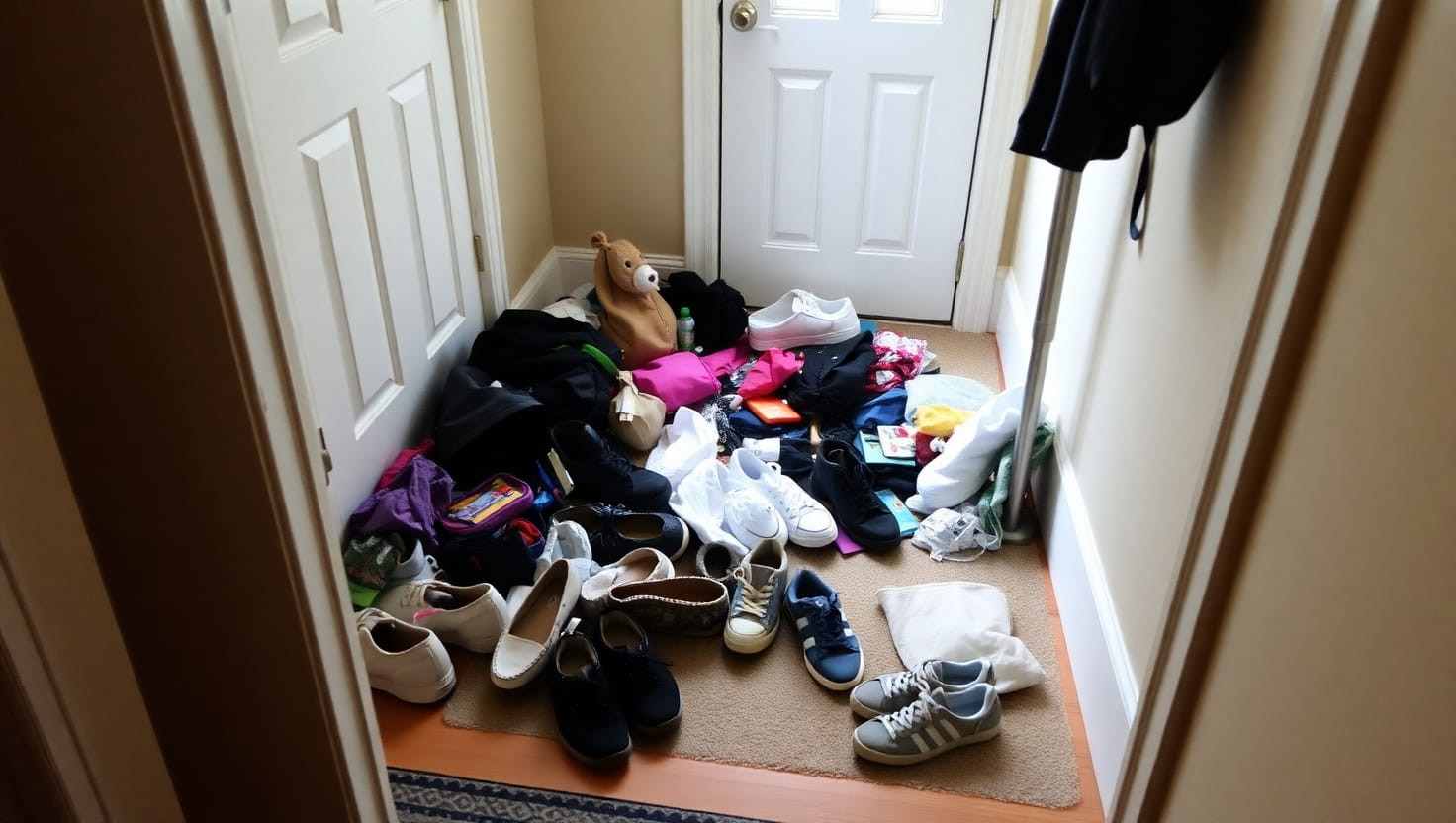
This also reframes success. A session doesn’t have to end with a bag of donations to count. It can end with a clearer understanding of a space, or with fewer items competing for attention.
When you declutter your home with planned pauses, the work integrates into life instead of interrupting it. You leave the space knowing you can come back, rather than needing a long recovery before you try again.
Over time, these contained efforts accumulate. Not dramatically, but reliably. And reliability is what allows change to last without constant effort or self-pressure.
How to declutter your home when decisions feel unusually heavy
There are times when every decision feels harder than it should. You stand in front of a shelf or a pile, and nothing feels clear. This isn’t a sign that you’re bad at decluttering your home. It’s usually a sign that something else is asking for your attention.
Decision heaviness often shows up during periods of change, fatigue, or emotional overload. The objects become proxies for larger questions you don’t have the energy to answer yet. When that happens, forcing decisions tends to create more resistance, not progress.
A steadier approach is to notice the heaviness without trying to push through it. You might narrow your focus to decisions that are reversible, or to items that don’t require explanation. You might also limit how many decisions you make in one sitting, even if the space itself could handle more.
This isn’t about being cautious. It’s about staying oriented. When you declutter your home in a way that respects your mental bandwidth, you’re less likely to regret choices later or feel the need to retrieve items you let go of too quickly.
Clarity often returns on its own when pressure is removed. What felt impossible one week can feel obvious the next. Allowing that timing to exist is part of working with yourself instead of against yourself.
Separating usefulness from obligation
Many homes contain items that are technically useful, yet still feel heavy to keep. They work. They have a purpose. And at the same time, they carry a quiet sense of obligation.
When you declutter your home, it can help to notice when usefulness has turned into a reason to avoid deciding. An item can be useful in theory and still not belong in your life as it is now.
Obligation often sounds like internal rules. You keep something because it was expensive, because someone gave it to you, or because it represents a version of yourself you thought you’d become. None of those reasons are wrong, but they aren’t neutral either.
Instead of asking whether something is useful, try noticing how it feels to store, maintain, or work around it. Does it earn its place easily, or does it require constant justification?
This isn’t about minimizing your home to the bare essentials. It’s about releasing items that ask more of you than they give back. When obligation loosens, usefulness becomes clearer on its own. And decluttering your home begins to feel less like a moral exercise and more like a practical one.
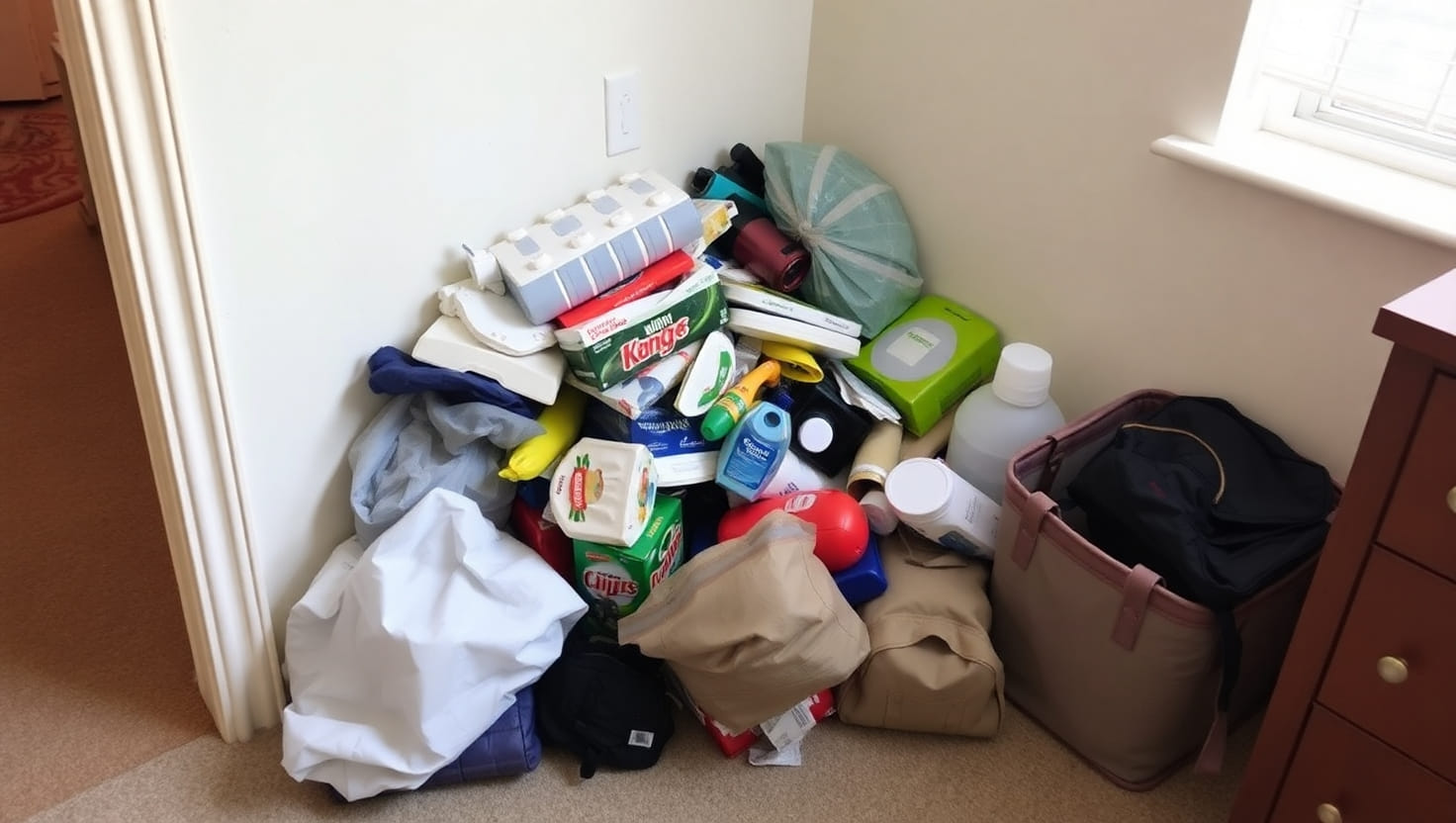
Why storage solutions don’t solve underlying clutter
It’s common to reach for storage when clutter feels overwhelming. Containers promise order. Shelving promises efficiency. Sometimes those things help. Often, they just make clutter quieter.
If you find yourself repeatedly reorganizing the same areas, it’s worth pausing before adding more structure. When you declutter your home, storage should support clarity, not replace it.
Underlying clutter usually comes from mismatches: too many items for the space, items without a clear role, or belongings tied to past versions of life. Storage can hide these mismatches, but it doesn’t resolve them.
A useful check is to notice what happens after you organize. If the area quickly returns to disorder, the issue likely isn’t the container. It’s the volume or relevance of what’s being stored.
This doesn’t mean you need to remove everything. It means that editing comes before organizing. Fewer, better-matched items need less structure to stay in place.
When storage is added after decluttering decisions are made, it tends to hold. When it’s added before, it often becomes another layer to manage. Let the space tell you which one you’re dealing with.
Making peace with uneven progress
Decluttering your home rarely happens evenly. One room clears quickly while another remains untouched. One category feels easy while another stays frozen for months. This unevenness can create the impression that you’re stuck, even when real change is happening.
Progress isn’t linear because life isn’t. Energy fluctuates. Priorities shift. Some spaces are simply more complex than others. Expecting steady, uniform results adds pressure that the process doesn’t need.
It can help to think of decluttering as responsive rather than planned. You respond to what feels workable now, and you leave the rest for later. Later doesn’t mean never. It means not yet.
When you allow uneven progress, you’re less likely to abandon the work altogether. You keep a relationship with it. You return when conditions change.
Notice the areas that feel lighter, even if they’re small. Notice what no longer irritates you daily. These are signs that decluttering your home is doing its quiet work, even if the bigger picture still feels incomplete.
Completion is not the only marker of success. Continuity matters just as much.
Allowing your home to reflect who you are now
Homes often lag behind the people living in them. Belongings accumulate during one season, while life quietly moves into another. Decluttering your home is, in many ways, about closing that gap.
This can bring up unexpected feelings. Letting go of objects can feel like letting go of roles, plans, or identities that once felt important. That hesitation deserves respect, not force.
Rather than framing decluttering as loss, it can help to see it as updating. You’re adjusting your environment to match your current rhythms, needs, and interests. What no longer fits doesn’t have to be wrong to be released.

As your home reflects who you are now, it often becomes easier to maintain. You’re not constantly negotiating with reminders of outdated expectations. The space asks less of you.
This alignment doesn’t happen all at once. It unfolds gradually, as decisions catch up with reality. Decluttering your home in this way supports stability, not reinvention. It allows your space to settle into something quieter, and more honest, over time.
When decluttering your home brings up unexpected emotions
It’s common to expect decluttering to feel practical. You sort, you decide, you move on. But many people are surprised by the emotional responses that surface instead.
An item can trigger sadness, relief, irritation, or a vague sense of grief, even when it’s something you don’t actively like. These reactions aren’t a sign that you’re doing something wrong. They’re a sign that objects often hold more than their physical form.
When you declutter your home, emotions tend to appear when an item is connected to a version of life that has shifted. Sometimes that shift was welcome. Sometimes it wasn’t. Either way, the object becomes a marker of change.
The most supportive response is to slow down just enough to acknowledge what’s coming up, without trying to resolve it through the object itself. You don’t need to analyze every feeling or keep items as proof of emotional depth.
You’re allowed to pause, put something aside, or move to a different category entirely. Emotional processing doesn’t need to happen on a decluttering schedule.
Often, simply recognizing that the feeling belongs to a memory or season—not to the object’s future—creates enough space to continue later with more ease.
Using boundaries instead of willpower
Willpower is unreliable, especially when life is already full. If decluttering your home depends on pushing yourself, it’s likely to feel draining and inconsistent.
Boundaries offer a different kind of support. They reduce the number of decisions required by defining limits in advance. This might mean setting a boundary around space, time, or quantity.
For example, a drawer boundary asks, “What fits comfortably here?” A time boundary asks, “What can I do in the next 20 minutes?” These limits contain the work so it doesn’t spill into everything else.
Boundaries also protect against over-editing. It’s easy to second-guess yourself when there’s no clear endpoint. A boundary creates a natural stopping place, which can make decisions feel safer.
This approach shifts the effort from internal pressure to external structure. Instead of convincing yourself to keep going, you’re responding to a defined container.
When you declutter your home with boundaries, the process becomes more predictable. Predictability lowers stress, and lower stress makes it easier to return without resistance.
Decluttering shared spaces without carrying everything alone
Shared spaces come with shared histories, habits, and expectations. Decluttering your home becomes more complex when decisions affect more than just you.
One common strain is feeling responsible for managing everyone else’s things. Another is avoiding decisions altogether to prevent conflict. Both responses are understandable, and neither creates lasting calm.
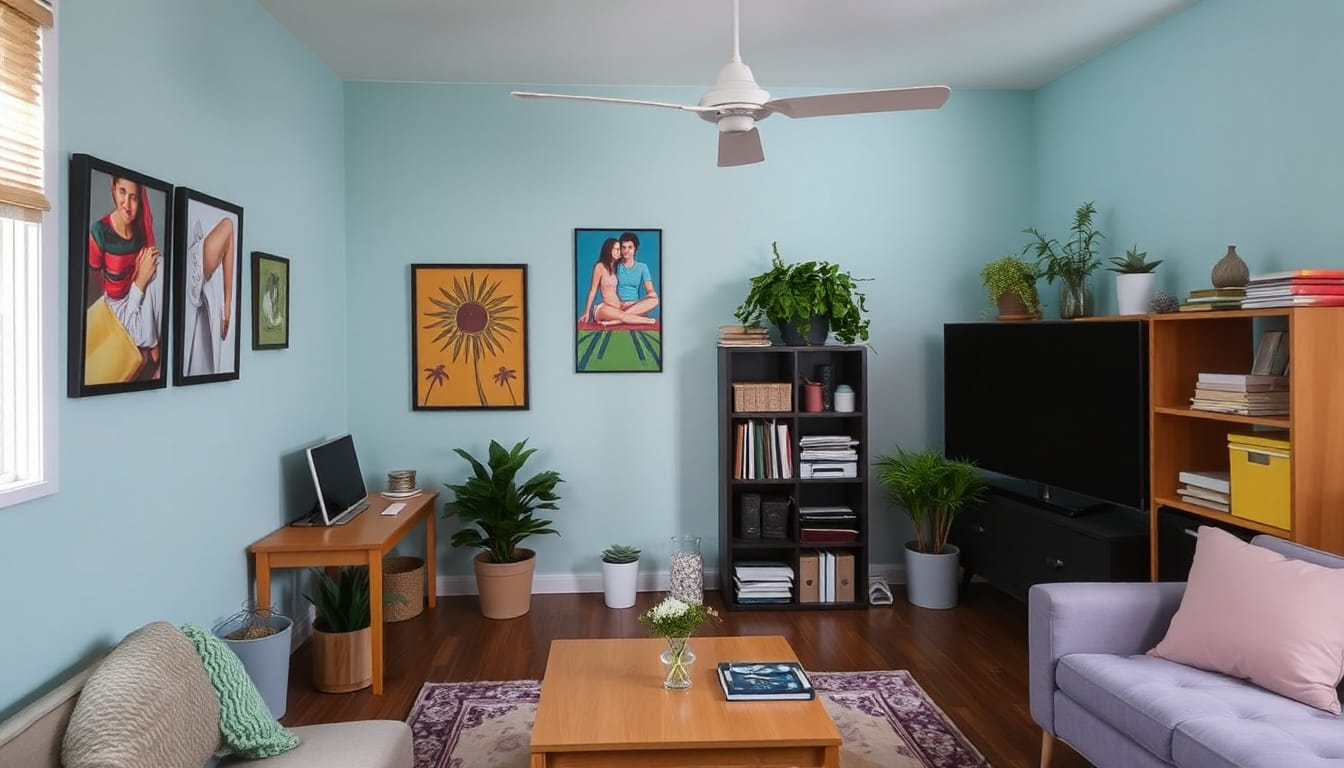
A gentler starting point is to focus on your own relationship to the space. Notice what interrupts your daily routines or adds friction to how you move through the room. These observations are about function, not ownership.
It can also help to separate editing from agreement. You don’t need consensus on every item to make progress. Sometimes clarity about how a space is used opens better conversations later.
In shared areas, small adjustments often matter more than large purges. Clearing surfaces, defining zones, or reducing duplicates can shift the feel of a room without requiring big decisions from everyone involved.
Decluttering your home together doesn’t have to mean doing everything together. Progress can still happen when responsibility is distributed realistically.
Letting maintenance guide what stays
A useful way to evaluate belongings is to notice what requires ongoing effort. Some items are easy to live with. Others demand regular attention, repair, or rearranging.
When you declutter your home, maintenance is a practical lens that removes judgment. You’re not deciding whether something is good or bad, meaningful or wasteful. You’re noticing what it asks of you.
An item that constantly needs fixing, cleaning, or storing carefully may no longer match your current energy. That mismatch can create low-level stress, even if you rarely think about it directly.
This doesn’t mean everything should be effortless. It means effort should feel chosen, not imposed. Items that align with your routines tend to fade into the background. Items that don’t tend to surface repeatedly as minor annoyances.
Paying attention to maintenance shifts decisions from abstract value to daily experience. Over time, this naturally simplifies your home without dramatic sorting sessions.
What remains is more likely to support how you live now, rather than how you thought you might live someday.
Trusting the pace that actually works for you
By the time you’ve spent a while decluttering your home, you may notice a quiet pressure to be done. Even without deadlines, there’s an assumption that this is a phase you should complete and move past.
In reality, many people maintain an ongoing, low-level relationship with decluttering. They revisit spaces as life changes. They edit gradually. They adjust without ceremony.
This isn’t a failure to finish. It’s a way of staying aligned.
Trusting your pace means noticing what keeps the process accessible. If shorter sessions lead to more consistency, that matters. If long breaks help you return with clarity, that matters too.
There’s no prize for speed. The real benefit comes from a home that feels responsive instead of rigid.
When decluttering your home fits into your life instead of competing with it, the work tends to continue quietly in the background. It becomes less of a project and more of a way of staying oriented as things shift.
If you want decluttering to hold without constant effort
If you’ve ever cleared a space and watched it slowly fill again, you’re not alone. The part that “sticks” usually isn’t about trying harder. It’s about choosing a small approach you can return to on tired weeks, busy seasons, and ordinary days. I wrote a separate page on the shift that finally helped my own decluttering stay in place without turning into a cycle of resets. It’s not a perfect system, and it isn’t a challenge. It’s simply the pattern that made the work feel livable.