Get Rid of Clutter Once and for All Without Burning Out or Starting Over
A steady, realistic way to let clutter loosen its grip—without urgency, guilt, or another failed system.
Most people don’t struggle with clutter because they don’t know what to do. They struggle because the problem never seems to stay solved. You clear a space, feel a brief sense of relief, and then—quietly, gradually—it fills again. Not all at once. Just enough to make you wonder what you’re missing.
This is usually where frustration starts to build. Not dramatic frustration, but the tired kind. The kind that makes you question whether decluttering actually works for you, or whether you’re somehow wired differently. That question alone can make it harder to begin again.
What often goes unspoken is that clutter isn’t a single event. It’s a relationship between your space, your energy, and the phase of life you’re in. When advice treats it like a one-time task, it sets an expectation that doesn’t match real life. So when things drift back, it feels personal.
Here, we’re not treating clutter as something you need to conquer. We’re looking at why it keeps returning, even after honest effort. That shift matters, because lasting change rarely comes from trying harder. It comes from noticing what hasn’t been accounted for yet.
This is a slower conversation. One that doesn’t rush you toward action. Just understanding, first, why “once and for all” has felt out of reach.
Why Decluttering Efforts Often Fade Over Time
It’s easy to assume that if clutter returns, the original decluttering wasn’t done thoroughly enough. That assumption sounds logical, but it creates a quiet kind of pressure. It implies that next time needs to be bigger, stricter, or more disciplined.
In reality, most decluttering fades because it was built on a short burst of energy. Motivation, a free weekend, maybe a strong emotional push. Those things can clear a lot quickly. They just don’t tend to last.
Life keeps moving. Your needs change. New things enter your home for reasonable reasons. When a system depends on sustained motivation, it asks more than most people can comfortably give—especially over months and years.
Another common reason is that decisions were made under stress. When you’re trying to get through a pile fast, it’s harder to notice subtle signals like hesitation or relief. Items get kept “just in case,” or let go of with a lingering sense of doubt. Both create friction later.
None of this means you did anything wrong. It simply means the approach wasn’t designed for longevity. Decluttering that sticks usually grows out of steadier conditions—clearer thinking, less urgency, and room for your life to be imperfect.
Once you see this, the problem shifts. It’s no longer about willpower. It becomes about alignment.
The Difference Between Clearing Space and Changing Patterns
Clearing space is visible. You can see the floor again, open a drawer, use a surface. That visibility is satisfying, and it’s often what decluttering advice focuses on. But space can be cleared without anything deeper changing.
Patterns are quieter. They show up in what comes into your home, where items land when you’re tired, and what decisions get postponed. These patterns don’t respond well to dramatic cleanouts, because they operate on autopilot.
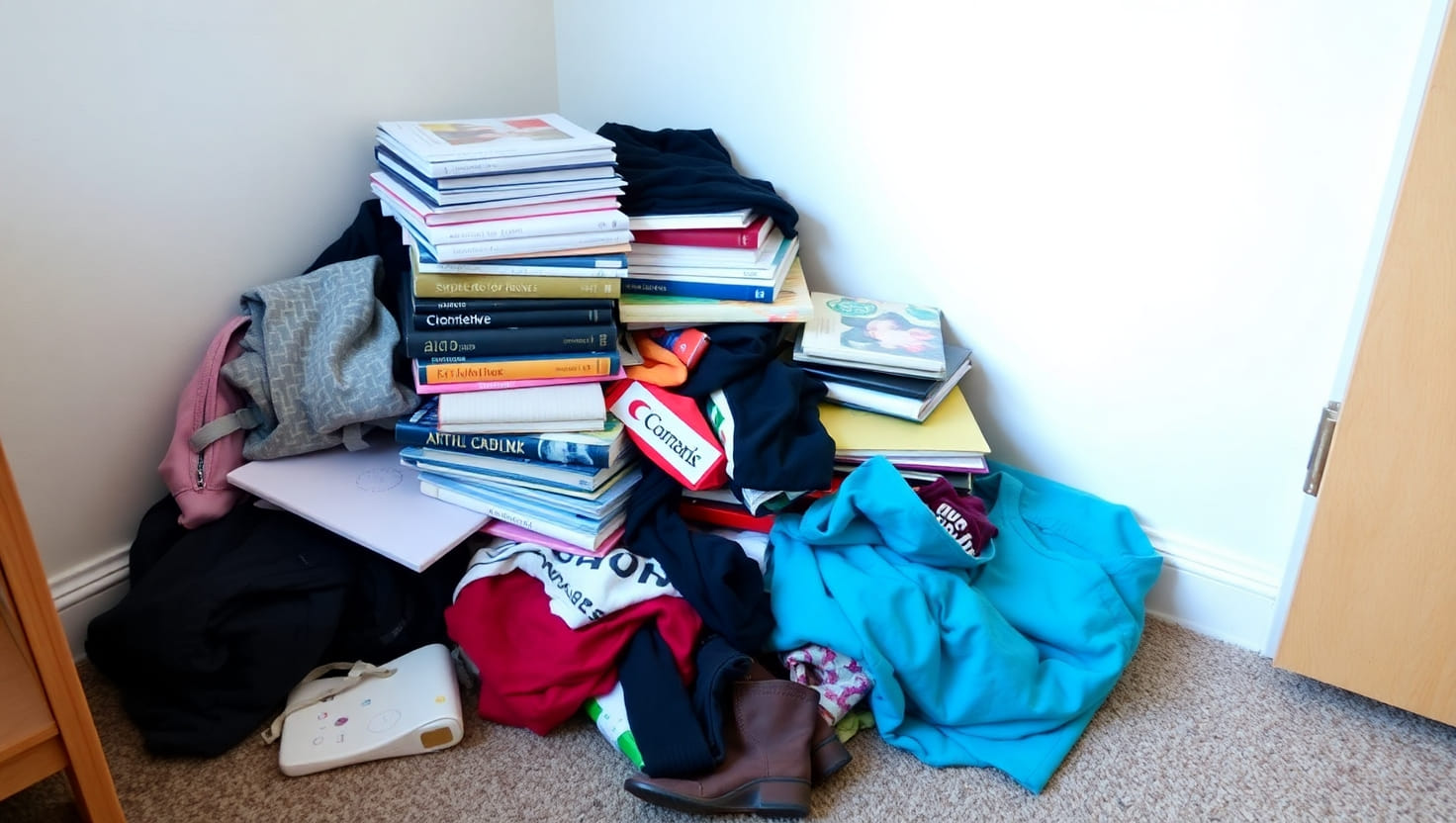
When clutter returns, it’s usually following a familiar path. A chair that collects clothes. A counter that becomes a landing zone. A box where decisions go to rest. These aren’t failures of discipline. They’re signs of how your space is currently being used.
Lasting decluttering pays attention to those signals instead of fighting them. It asks gentler questions. Where does life naturally slow down here? Where does it speed up? What’s being asked of this space that it can’t quite handle yet?
This kind of noticing doesn’t produce instant results. But it creates understanding, which is far more stable than motivation. Once patterns are acknowledged, space stops feeling like something that needs constant correction.
It starts to feel more cooperative.
How Emotional Weight Keeps Objects in Place
Some clutter is easy to explain. Extra mail, unfinished projects, things without a clear home. Other items stay for reasons that are harder to articulate. They carry history, intention, or a version of yourself that once mattered deeply.
Emotional weight doesn’t announce itself loudly. It shows up as hesitation. As the thought, “I’ll decide later.” As the sense that letting go would mean losing something abstract, not just physical.
Traditional decluttering advice often treats this as resistance to push through. But pressure rarely makes emotional decisions easier. It usually does the opposite, tightening the grip and increasing guilt.
When objects hold emotional meaning, they need a different kind of attention. Not analysis. Not justification. Just acknowledgment. This mattered. It represented something real at the time.
Interestingly, when that acknowledgment is present, decisions often soften on their own. Items don’t have to be defended as fiercely. You’re not trying to erase the past—just making room for the present.
This is one reason rushed decluttering doesn’t stick. Emotional weight doesn’t respond to speed. It responds to safety. When that safety exists, letting go can feel quieter, even neutral.
And neutral is often enough.
Redefining “Once and For All” in a Livable Way
The phrase “once and for all” carries a lot of hidden pressure. It suggests an ending point where clutter no longer needs attention. That idea is appealing, especially if you’re tired. But it also sets up an unrealistic finish line.
Homes are lived in. They change as people change. Expecting them to stay permanently settled can create disappointment, even when things are mostly working.
A more livable definition of “once and for all” isn’t about permanence. It’s about relationship. Clutter stops being a recurring crisis and becomes a manageable signal. Something you notice earlier, respond to more calmly, and don’t take personally.
In this version, decluttering isn’t a reset button you have to keep slamming. It’s a quieter skill that improves over time. The home doesn’t stay perfect, but it stays responsive.
This shift doesn’t require doing more. It requires expecting less drama from the process. Less finality. Less pressure to get it right.
When that expectation changes, many people find that clutter loses its emotional charge. It’s still there sometimes. It just doesn’t feel like proof of failure anymore.

And that alone can make all the difference.
The Quiet Role of Intake in Persistent Clutter
Most conversations about clutter focus on what to remove. Far fewer look at what keeps entering. Not in a blaming way, just in an observant one. Every home has intake points—places where items naturally arrive before they’re fully absorbed into daily life.
Mail, bags, gifts, supplies meant for later. These things usually come in with good intentions. The problem isn’t their presence. It’s that the home often doesn’t have a calm place for them to pause.
When intake has no natural resting spot, it becomes clutter by default. Items linger where they land, and over time those landing spots begin to feel crowded and tense. This can happen even in homes that have been thoroughly decluttered before.
What’s helpful here is not restriction, but recognition. Noticing which areas consistently receive new items tells you something important about how your life actually functions. These patterns are information, not obstacles.
When intake is acknowledged instead of resisted, spaces can adapt more gently. The home starts to feel less like it’s constantly catching up, and more like it’s keeping pace.
Clutter often softens when the flow of things is allowed to make sense.
How Decision Fatigue Turns Neutral Items Into Clutter
Many items don’t stay because they’re meaningful or useful. They stay because deciding feels heavier than leaving them for later. This is decision fatigue at work, and it builds quietly.
Every object that requires a future choice holds a small amount of mental energy. One or two aren’t noticeable. Dozens begin to weigh on you, even if you’re not actively thinking about them.
This is why clutter can feel exhausting without looking dramatic. The space isn’t chaotic, but it’s unresolved. Each item represents an unfinished conversation with yourself.
When decluttering advice pushes for faster decisions, it can actually increase this fatigue. The mind tightens, unsure it can trust the outcome. So items get deferred instead of released.
Relief often comes not from deciding more, but from needing to decide less. When your environment asks fewer questions of you, clarity tends to return on its own.
This is another reason lasting decluttering moves slowly. It respects the limits of attention, instead of testing them.
When Space Doesn’t Match the Life Inside It
Sometimes clutter isn’t about too much stuff. It’s about a mismatch between the space and the life being lived there now. A room arranged for a past routine may quietly resist your current one.
This can show up as storage that’s technically sufficient, but awkward to use. Or rooms that look fine, yet never quite support how you move through the day. Items then drift into more convenient places, even if those places weren’t meant to hold them.
When this happens, decluttering alone can feel like pushing against a current. You remove things, but the space keeps re-filling in the same ways.

Adjusting this isn’t about redesign or buying solutions. It’s about noticing friction. Where do you hesitate? Where do things pile up even after effort? Those moments point to where the space isn’t quite aligned yet.
When rooms begin to reflect real patterns instead of ideal ones, clutter has less reason to gather.
Why Timing Matters More Than Motivation
Decluttering advice often assumes readiness is a mindset problem. That if you just commit, the timing will work itself out. In reality, timing is deeply tied to capacity.
There are seasons when even small decisions feel manageable. And seasons when they don’t. Energy, stress, health, and transition all affect how much mental room you have.
Trying to declutter during a low-capacity season doesn’t mean it’s impossible. It means expectations need to be different. Smaller shifts. Softer edges. More permission to pause.
When timing is ignored, people often blame themselves for losing momentum. When timing is respected, progress may be slower, but it tends to hold.
This is one of the least discussed aspects of getting rid of clutter for good. Not everything needs to happen now. Some things simply need to wait until the nervous system is less taxed.
Clutter becomes easier to live with when it’s not treated as an emergency.
The Identity Layer Most Advice Skips Over
Objects often stay because they’re tied to who you were, or who you thought you might become. Hobbies you loved once. Clothes for a version of life that felt close at the time. Tools for roles you no longer occupy.
Letting go of these items can feel like closing a door, even if you don’t want to walk through it anymore. This isn’t sentimentality in the simple sense. It’s identity in transition.
When this layer is ignored, decluttering can feel strangely destabilizing. You’re not just clearing shelves. You’re renegotiating parts of yourself.
What helps here isn’t forcing clarity. It’s allowing ambiguity to exist without pressure. You don’t have to define who you are now in order to make space.
Often, once the present feels more supported, identity questions settle naturally. Items lose their grip when they’re no longer carrying that weight alone.
This is slow work. And that slowness is part of why it lasts.
The Subtle Difference Between Maintenance and Re-Decluttering
Many people think they need to “declutter again” when what they’re actually facing is simple maintenance. The difference matters, because those two modes ask very different things of you.
Re-decluttering implies starting over. It carries the weight of decisions, sorting, and emotional effort. Maintenance, on the other hand, is quieter. It’s about small adjustments that keep things from drifting too far.
When this distinction isn’t clear, every bit of buildup can feel like a setback. A drawer that needs attention becomes evidence that nothing stuck. That interpretation alone can make it harder to engage at all.
In homes where clutter truly loosens its grip, maintenance is expected. Not constant, not heavy—just part of living. Items shift, routines change, and the space responds with minor corrections rather than major resets.

This doesn’t mean you’ll never declutter again. It means you’re no longer asking each pass to solve everything forever. You’re allowing care to replace correction.
Once maintenance is seen as normal, the emotional load drops. There’s less drama around mess returning, and more confidence that it can be handled without upheaval.
That confidence is often what keeps clutter from escalating in the first place.
Why Storage Solutions Rarely Solve the Root Problem
Storage is often treated as the missing piece. If there were better bins, better shelves, better systems, then clutter would finally behave. Sometimes storage helps. Often, it just rearranges the problem.
When items are stored without clarity, they don’t actually settle. They’re just hidden. Over time, those spaces fill too, and the same tension resurfaces—now behind doors and lids.
The issue usually isn’t the container. It’s uncertainty. Items that don’t have a clear role, frequency, or priority don’t stay neatly stored for long. They resist being assigned a permanent place.
Adding storage in these moments can increase complexity. More places to check. More decisions to remember. More mental inventory to manage.
Lasting decluttering tends to simplify before it organizes. It allows categories to shrink naturally, so storage becomes obvious instead of strategic.
When storage works, it feels almost boring. Items return easily. Nothing has to be “figured out.” That ease is a sign that the underlying decisions were already made.
Without that groundwork, storage remains busywork. Helpful for appearance, but rarely for peace of mind.
How Visual Noise Affects Your Sense of Clutter
Clutter isn’t only about quantity. It’s also about what your eyes have to process. A space with fewer items can still feel overwhelming if everything is visually competing for attention.
Open shelving, busy surfaces, and mixed textures can increase visual noise. Even meaningful or useful items can contribute if they’re constantly asking to be noticed.
This is why some rooms feel tiring even when they’re technically tidy. The mind never gets to rest. It’s always scanning, categorizing, adjusting.
Reducing visual noise doesn’t mean hiding everything. It means allowing some areas to stay quiet. Empty space, consistent surfaces, and fewer focal points give the eyes somewhere to land.
When visual calm increases, many people notice an unexpected shift. They become less tolerant of excess without trying to be. Decisions feel clearer. The urge to bring in more diminishes.
This isn’t about minimalism. It’s about nervous system relief. When the environment asks less of your attention, clutter loses some of its power to overwhelm.
Often, addressing visual noise does more than another round of sorting ever could.
The Role of Incomplete Projects in Lingering Clutter
Incomplete projects have a unique way of staying present. They’re not just items; they’re intentions paused mid-stream. A stack of materials, a bag of supplies, a corner that’s “not done yet.”
These projects often remain untouched not because you don’t care, but because finishing them requires more energy than you currently have. And so they wait.
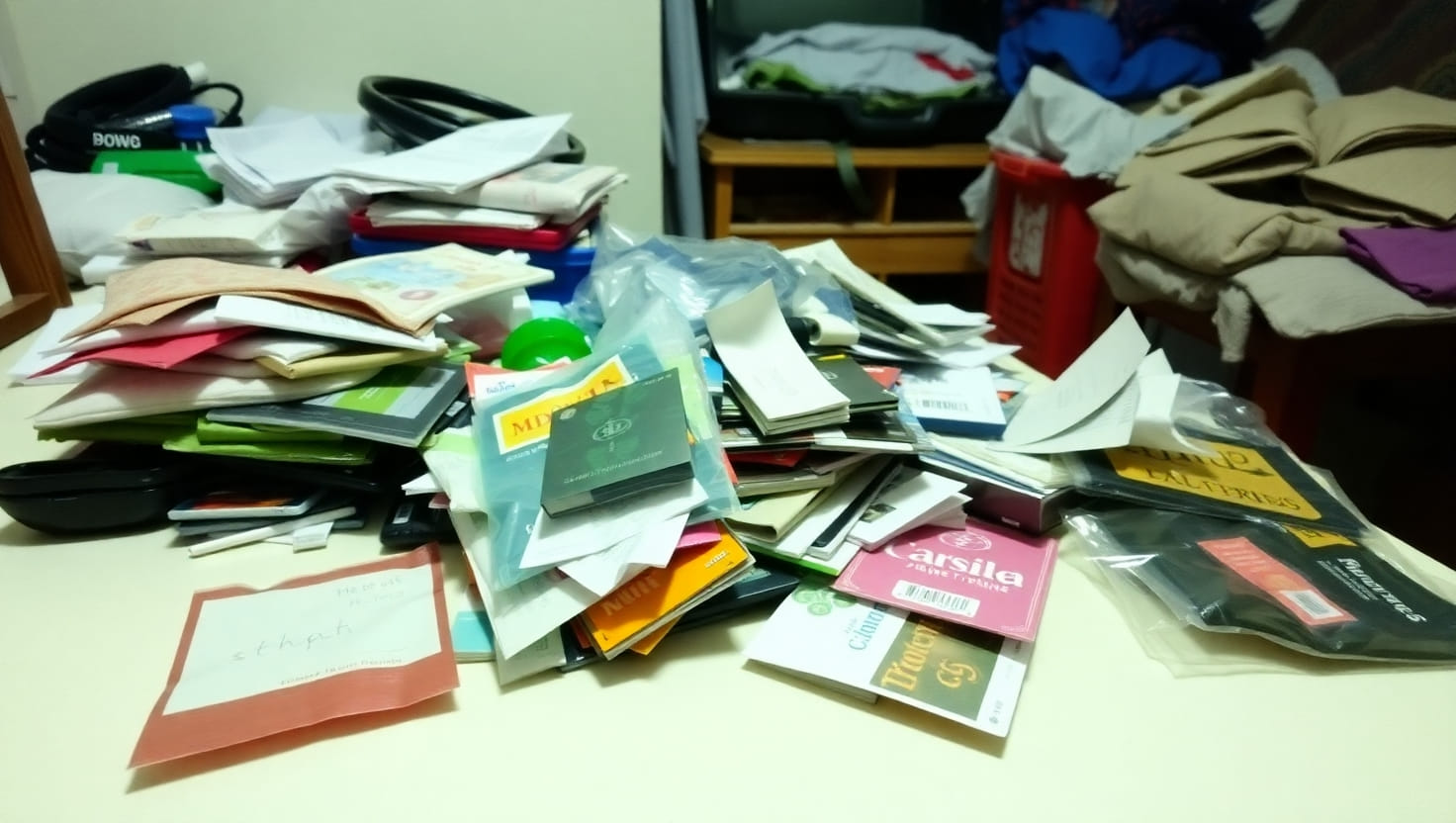
Over time, they begin to feel heavy. Not because they’re large, but because they represent something unfinished. Each glance carries a small reminder of effort deferred.
Decluttering advice sometimes treats these as obvious candidates for removal. But that can feel abrupt, especially if the project once mattered deeply.
What helps is separating the project from the expectation. Asking whether the intention still belongs in your life now, not whether you should have finished it already.
When projects are consciously released or redefined, their physical remnants often become easier to handle. They stop holding emotional space.
Clutter resolves more gently when unfinished things are given honest closure—one way or another.
Letting Systems Be Flexible Instead of Perfect
Systems are meant to support life, not contain it. Yet many people abandon systems not because they failed, but because they were too rigid to bend when life changed.
A system that only works on good days creates pressure on hard ones. When it breaks, clutter rushes in, and confidence goes with it.
Flexible systems anticipate inconsistency. They allow for shortcuts, temporary mess, and imperfect follow-through without collapsing entirely.
This might look like extra space built in. Or categories that can stretch. Or routines that adapt instead of insisting.
When systems are forgiving, people return to them more easily. There’s no sense of having “blown it.” Just a small adjustment back into rhythm.
This flexibility is often what makes decluttering stick. Not the elegance of the setup, but its tolerance for real life.
When your home can absorb variation without judgment, clutter has far fewer opportunities to take over.
When You’re Ready for Something That Actually Holds
At some point, many people notice a quiet shift. The question stops being how to get rid of clutter, and starts becoming how to stop starting over. That moment doesn’t arrive with urgency. It usually shows up as curiosity, or a sense that the old ways no longer fit.
This is where different conversations begin to feel relevant. Not more strategies, but different framing. Less effort, more alignment. Less fixing, more support.
If you ever want to explore what changed when decluttering finally stopped slipping back for me, that path exists. There’s no rush toward it. It tends to matter most when the timing is right.