Declutter in 30 Days: A Calm, Livable Way to Create Space Without Burning Out
A gentle, realistic approach to decluttering over 30 days that respects energy, timing, and real life.
Decluttering in 30 days often sounds like a challenge you have to keep up with, or a promise you might quietly break. That framing alone can make it hard to begin. This version is different. It’s not a countdown or a test of discipline. It’s simply a container of time, wide enough to move at a human pace.
Thirty days is long enough for your nervous system to stop bracing. Long enough to notice patterns instead of forcing decisions. Short enough to feel held, rather than endless. You don’t need to work every day. You don’t need to touch every room. Nothing here depends on momentum or motivation.
This approach treats decluttering as something that happens alongside your life, not instead of it. Some days will feel clear and easy. Others will feel flat or resistant. Both belong. The timeline doesn’t exist to push you forward; it exists to keep the edges soft while you move.
You won’t find rules about how much to remove or how fast to decide. Instead, the focus stays on steadiness. On choosing a pace that doesn’t create backlash later. On leaving enough energy in your system to come back tomorrow, or next week, without dread.
Decluttering in 30 days can be quiet. It can be incomplete. It can still matter. This is about creating enough space to breathe, not proving anything to yourself.
Why a 30-day container reduces pressure instead of adding it
Short decluttering sprints often create urgency that looks productive on the surface, but underneath it asks your brain to make too many decisions too quickly. A 30-day container works differently. It lowers the demand per day so your system doesn’t have to stay on high alert.
When time feels scarce, every object becomes a referendum. Keep or toss starts to feel loaded, emotional, and personal. With more time, decisions soften. You’re not deciding forever; you’re just noticing today. That shift alone reduces resistance.
A longer container also allows for natural pauses. Life interrupts. Energy dips. Attention wanders. Instead of treating those moments as failure, the structure absorbs them. You don’t have to “get back on track” because you never fell off one.
This matters because decluttering isn’t just physical. It asks you to revisit old versions of yourself, unfinished plans, and objects that once felt necessary. Rushing those encounters can create avoidance later. Giving them space lets them resolve more cleanly.
Thirty days isn’t about consistency for its own sake. It’s about giving yourself enough runway to move without gripping. Enough time for clarity to emerge without pressure. Enough softness that your home doesn’t become another place where you feel behind.
Starting with orientation, not action
Most decluttering plans begin with a task. Pick a room. Fill a bag. Set a timer. This one begins with orientation instead. Before touching anything, it helps to understand how your home currently supports you, and where it quietly drains you.
Orientation is about noticing without fixing. Which areas feel heavy when you walk past them. Which spaces you avoid without quite realizing it. Which rooms already feel mostly fine. There’s no need to rank or prioritize yet. This is just about seeing what’s actually here.
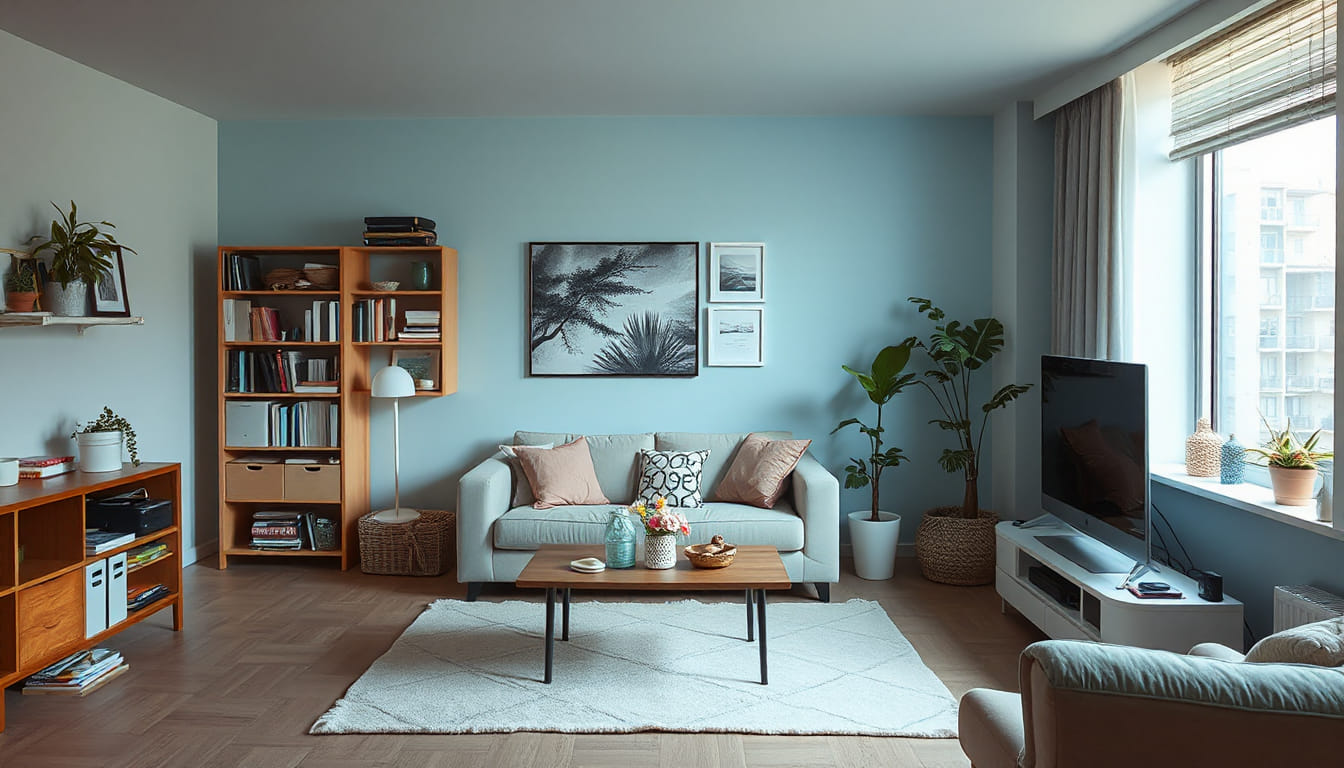
This step matters because it prevents overreach. When you start with action, it’s easy to begin in a place that looks impressive but costs too much energy. Orientation gently points you toward areas where small changes will matter more than dramatic ones.
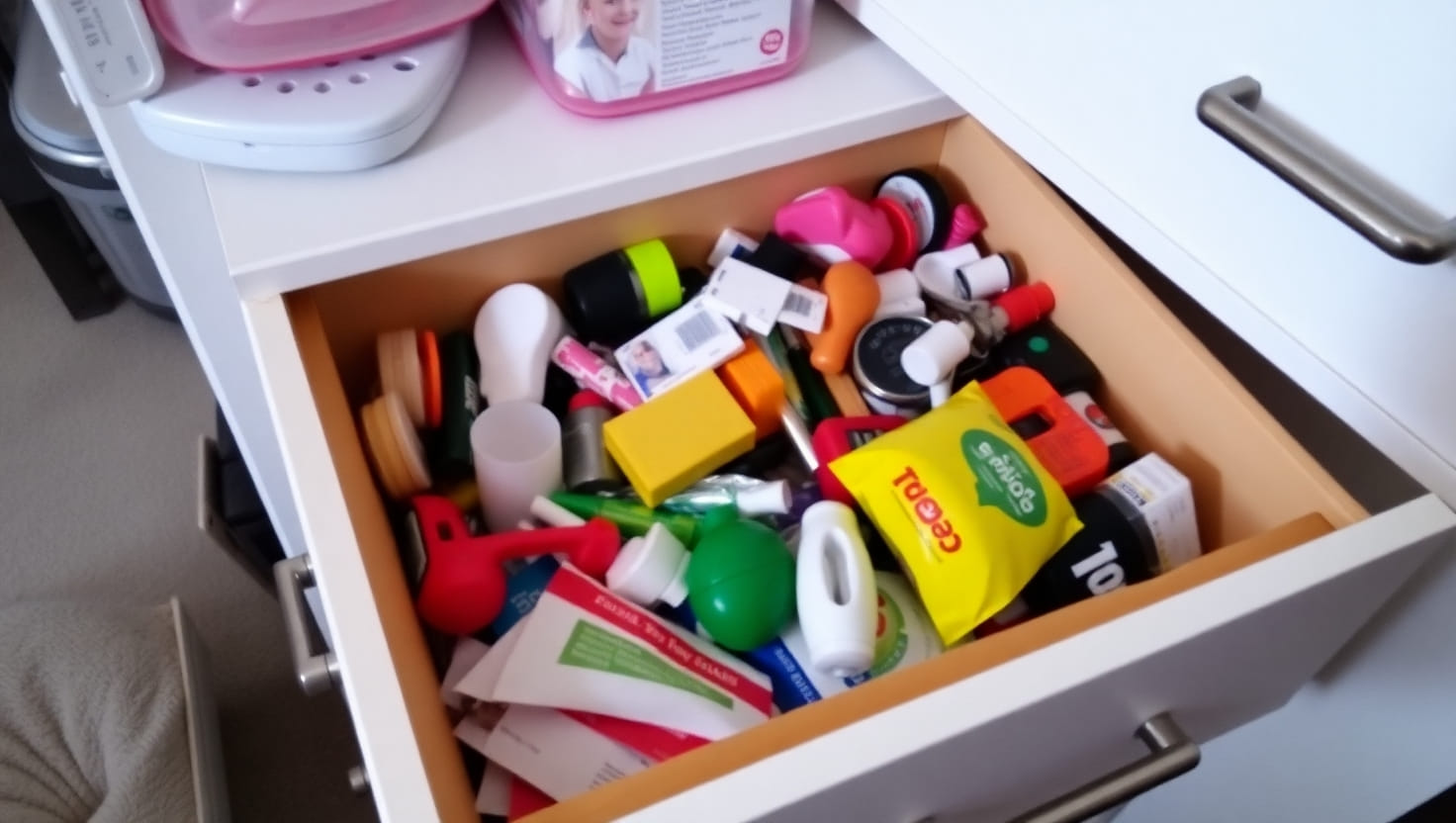
You might notice that clutter isn’t evenly distributed. One drawer causes daily irritation. One surface collects everything. One room holds decisions you’ve been postponing. These observations become anchors later, keeping the process grounded.
Nothing needs to be written down unless that helps you think. Nothing needs to be shared. Orientation happens quietly, in the background of your normal days. It sets the tone for decluttering in 30 days as something observant and responsive, rather than reactive.
Choosing areas that cooperate with you
Not every space in your home is equally ready to be decluttered. Some areas cooperate. Others push back. A 30-day approach works best when you spend time where cooperation already exists.
Cooperative areas are usually small, contained, and low in emotional charge. A bathroom shelf that’s slightly annoying. A kitchen drawer that jams. A stack that keeps migrating from chair to table. These places respond quickly to light attention.
Working in cooperative spaces builds trust. Not motivation, but trust. You learn that you can touch clutter without it turning into an ordeal. That decisions don’t have to be perfect to be helpful. That stopping early doesn’t undo what you’ve done.
This trust is important because it changes how you approach harder areas later. You’re no longer proving you can declutter. You’re simply continuing something familiar. The nervous system recognizes the pattern and stays calmer.
Decluttering in 30 days doesn’t require equal effort across all rooms. It benefits from unevenness. Let some areas stay untouched for now. Let others receive gentle care. Cooperation is a form of guidance, and following it keeps the process livable.
Letting repetition do the heavy lifting
In a longer decluttering window, repetition matters more than intensity. Returning to the same type of decision again and again teaches your brain what to expect. Over time, choices require less effort.
This doesn’t mean doing the same task daily. It means allowing themes to repeat. Clearing obvious trash. Returning items to where they belong. Noticing duplicates. These actions become familiar, and familiarity reduces friction.
Repetition also builds confidence quietly. You start to trust your judgment because you’ve seen it work. You keep fewer “just in case” items because you’ve experienced not needing them. This shift can’t be rushed, but it can be supported.
Some days repetition will look like doing very little. A handful of items. A short glance that confirms nothing needs attention right now. That still counts. It reinforces the idea that decluttering is responsive, not relentless.
Over 30 days, small repetitions accumulate without demanding constant effort. They create a rhythm your home can settle into. Decluttering stops being an event and starts becoming a background skill, one you can return to without tension.
When energy fluctuates, adjust the size of the work
One of the quiet advantages of decluttering in 30 days is that it allows your energy to lead. Not every day offers the same capacity, and forcing consistency often creates more resistance than progress. This approach stays flexible by design.
On lower-energy days, the work gets smaller. One shelf instead of a room. One decision instead of a bag. Sometimes it’s just noticing what you didn’t have the energy for and leaving it alone. That restraint is part of the process, not a delay.
Higher-energy days don’t need to compensate for quieter ones. There’s no backlog to catch up on. The timeline already accounts for fluctuation, so you don’t have to. This keeps the emotional cost of decluttering low, which is often what determines whether it sticks.
Adjusting the size of the work protects your relationship with your home. You’re not training yourself to associate decluttering with depletion. You’re showing yourself that it can adapt to real life, moods included.
Over time, this responsiveness builds steadiness. You stop waiting for the “right” day. You work with the day you have. That alignment makes decluttering feel less like a project and more like gentle maintenance.
Making decisions without forcing certainty
Many decluttering struggles come from the belief that every decision needs to be final. Decluttering in 30 days works better when decisions are provisional. You’re allowed to change your mind later.
This is especially important with items tied to identity, hobbies, or past versions of yourself. Forcing certainty too early can trigger regret or avoidance. Leaving space for revision keeps the process emotionally safer.
A provisional decision might look like moving items to a different location rather than removing them. Or grouping similar things together so you can see what you actually have. These steps create clarity without demanding commitment.
Certainty often emerges after visibility, not before it. When you can see patterns, duplicates, or what you truly reach for, decisions become quieter. They don’t feel like losses; they feel like alignment.
Thirty days gives you room to revisit. To notice how it feels to live without something nearby. To confirm that a choice still makes sense. That patience reduces the mental weight of every item you touch.
Using visibility instead of willpower
Willpower is a limited resource, especially when you’re already managing a full life. Decluttering in 30 days relies less on effort and more on visibility. When you can see what you own, decisions simplify on their own.
Visibility doesn’t require perfect organization. It just means reducing layers. Fewer piles on top of piles. Fewer items hiding behind other items. This makes your home more readable, which lowers cognitive load.
As spaces become clearer, you don’t have to remind yourself what you have or where things belong. The environment does that work for you. This is one of the reasons slow decluttering often lasts longer.

Visibility also changes your buying habits without needing rules. When you know what you own, duplicates lose their appeal. Storage stops feeling like the solution. This shift happens quietly, without effort.
Over the course of 30 days, increasing visibility little by little creates a home that supports your attention instead of competing for it. That support is what makes change sustainable.
Allowing unfinished areas to exist
A common fear with any decluttering plan is ending up with half-finished spaces that feel worse than before. In a 30-day approach, unfinished areas are expected. They’re part of the landscape, not a problem to fix.
Unfinished doesn’t mean abandoned. It means paused. A drawer that’s been started and then closed. A box of items waiting for another look. These pauses prevent burnout and preserve goodwill with yourself.
The key is containment. When unfinished areas are contained, they don’t leak stress into the rest of your home. A basket, a shelf, a specific spot can hold what’s unresolved without letting it sprawl.
This containment creates psychological relief. You know where the uncertainty lives, and you know it’s temporary. That’s very different from clutter that feels everywhere and nowhere at once.
Decluttering in 30 days gives you permission to live alongside the unfinished without urgency. That coexistence is often what allows you to return later with more clarity and less resistance.
Noticing what stays—and why
As the days pass, some items will remain untouched. Not because you forgot them, but because they quietly earned their place. Paying attention to what stays is just as important as noticing what leaves.
These items often support your daily rhythms. They’re used, reached for, or simply feel right where they are. Acknowledging this builds trust in your instincts, which many people lose after years of second-guessing.
This noticing also clarifies values. You begin to see what you prioritize in practice, not theory. Comfort. Ease. Creativity. Rest. These values show up through what you keep close.
When you understand why certain things stay, future decisions become easier. You’re no longer decluttering against an abstract ideal. You’re shaping your home around how you actually live.
By the midpoint of decluttering in 30 days, this awareness often becomes the quiet center of the process. It steadies everything else and makes the remaining work feel more grounded.
Letting the middle feel uneven on purpose
The middle of decluttering in 30 days rarely feels tidy or clear. This is often where enthusiasm fades and uncertainty shows up. That unevenness isn’t a sign you’re doing it wrong. It’s a natural stage when old systems have loosened but new ones haven’t settled yet.
During this phase, things may look worse before they look better. Items are grouped, moved, reconsidered. Spaces feel in transition. The instinct is to rush through this discomfort, but slowing down here actually prevents future clutter.
Unevenness gives you information. You see which categories take more thought. Which decisions drain you. Which areas resolve quickly and which ask for more care. That awareness shapes what comes next, without forcing it.
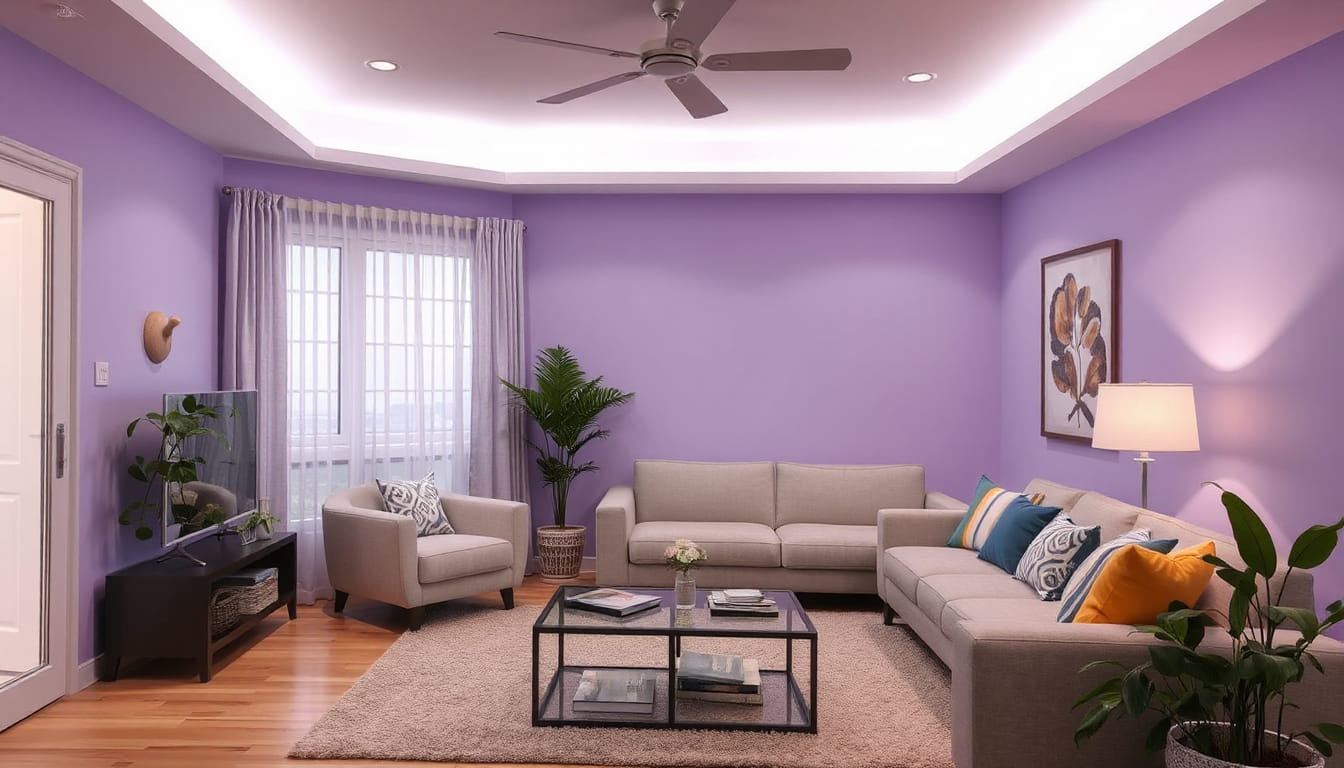
There’s no need to smooth everything out immediately. Let some mess be temporary. Let some questions stay unanswered. The 30-day container holds this uncertainty so it doesn’t spill into self-criticism.
When you allow the middle to be imperfect, you keep your nervous system engaged instead of overwhelmed. That steadiness is what allows the process to continue without quitting halfway through.
Releasing items without creating replacement clutter
One quiet trap in decluttering is replacing what you remove with new organizing tools or storage solutions too quickly. Decluttering in 30 days benefits from a pause between letting go and filling the space again.
Empty space needs time to teach you how it wants to be used. When you rush to contain it, you often recreate the same problems in a cleaner package. Waiting lets new habits form before new containers enter.
This pause doesn’t mean living without structure. It means allowing simple, existing systems to suffice for a while. Using what you already have. Letting function reveal itself before optimizing it.
During this time, you may notice that some spaces don’t need much at all. Or that what you thought required organization simply needed fewer items. These realizations save time, money, and energy later.
By resisting immediate replacement, you keep decluttering focused on reduction rather than rearrangement. The space stays honest, and the changes last longer because they’re shaped by lived experience.
Working with sentimental items gently
Sentimental items often slow decluttering to a standstill, especially when time feels limited. A 30-day approach works best when these items are treated with patience rather than urgency.
Sentiment carries memory, identity, and emotion. Asking for fast decisions here can feel threatening, even when the items themselves aren’t used. Giving these objects respectful time reduces internal conflict.
You don’t need to decide everything now. Sometimes the work is simply gathering sentimental items into one place so they’re no longer scattered. Containment alone can bring relief.
As days pass, distance forms naturally. Items that once felt charged may soften. Others clarify their meaning. This clarity can’t be forced, but it often arrives when pressure is removed.
Decluttering in 30 days doesn’t require resolving your entire past. It only asks that you create enough space to breathe in the present, while letting the rest unfold at its own pace.
Allowing your systems to stay simple
Complex systems often look impressive but demand ongoing effort to maintain. During decluttering in 30 days, simplicity matters more than precision. Systems that are easy to use are the ones that last.
Simple systems rely on obvious placement. Items live near where they’re used. Categories stay broad. Labels are optional. The goal is retrieval without thinking, not perfection.
When systems are simple, they forgive lapses. You can put things away even when tired. You don’t need to remember elaborate rules. This reduces friction, which is often what causes clutter to return.

As you live with simpler systems, you’ll notice which ones naturally support your routines. Those that don’t will quietly fall away. This feedback loop is more reliable than planning in advance.
Keeping systems light allows your home to adapt as your life changes. That adaptability is one of the most overlooked benefits of decluttering slowly and steadily.
Noticing how your home feels to move through
By this stage, something subtle often shifts. You may not see dramatic visual change, but moving through your home feels different. Decluttering in 30 days creates space not just on surfaces, but in how you transition from room to room.
You might notice fewer small irritations. Less sidestepping. Fewer moments of visual noise. These changes register in the body before they register in the eye.
Paying attention to this felt sense reinforces why you’re doing this. It’s not about achieving a certain look. It’s about reducing friction in daily life.
This awareness also guides future choices. You begin to protect the ease you’ve created. You hesitate before adding things back that disrupt flow. This protection doesn’t feel strict; it feels intuitive.
As you notice how your home supports you, decluttering stops being a task and starts becoming a form of care. That shift is often what carries the process forward, even after the 30 days end.
When decluttering starts to feel different
At some point, many people notice that the work itself isn’t the hardest part anymore. The harder question becomes how to keep this feeling from slipping away. Not how to do more, or faster, but how to let the calm last.
This is usually when curiosity replaces urgency. You start wondering what made this approach feel steadier. Why the resistance softened instead of spiking. What shifted underneath the surface.
That curiosity matters. It points toward understanding why decluttering sometimes sticks—and why it often doesn’t. Not as a fix, but as context you can return to when you’re ready.