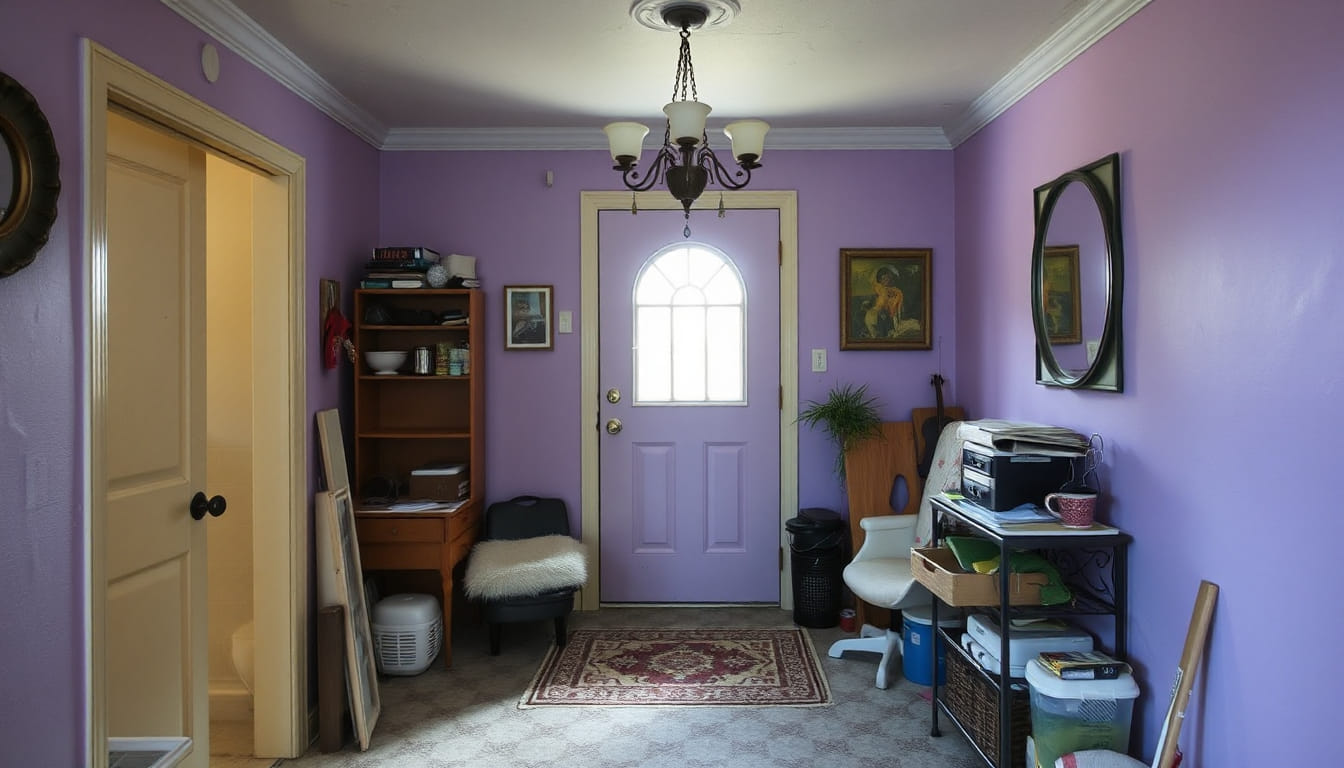
Declutter a Room in 30 Minutes (Without the Rush, Guilt, or All-Day Fallout)
A calm, realistic way to declutter a single room in 30 minutes—without turning it into a weekend project or a test of willpower.
If the phrase declutter a room in 30 minutes makes your shoulders tense, you’re not alone.
Most advice attached to that promise quietly assumes energy you may not have, time you didn’t plan for, or a personality that enjoys fast decisions. This isn’t that kind of piece.
This is about what actually fits inside a real half hour. Not a transformation. Not a reset of your entire life. Just a contained window where things can feel a little less heavy than they did before.
You don’t need to finish the room. You don’t need to be ruthless. You don’t need to want this very much.
What follows is a way to use thirty minutes without borrowing stress from the rest of your day. It’s designed to meet you where you are, not where decluttering advice often assumes you should be.
Think of this less as a method and more as a boundary. A gentle one. The kind that lets effort stay proportional to the time you actually have.
Let the Thirty Minutes Be the Container
Before anything moves, it helps to decide what the thirty minutes is for.
It’s not for perfection. It’s not for catching up. It’s not for finally dealing with everything that’s been bothering you.
The thirty minutes is simply a container. A small, defined space where decisions don’t sprawl.
When time is open-ended, decluttering turns into negotiation. You keep asking yourself how far to go, what else you should address, whether now is the moment to tackle the hard stuff. That mental back-and-forth is what makes even small projects exhausting.
A firm, short window removes that pressure.
You’re not deciding how much to do. You’re letting the clock decide for you.
This shift matters more than it sounds. It keeps your brain from scanning the whole room as a problem to solve. Instead, it allows you to focus on what’s directly in front of you, knowing there’s a natural stopping point.
Thirty minutes is long enough to create visible relief. It’s also short enough that your energy doesn’t have to be heroic.
Both things can be true at once.
Choose the Room, Not the Outcome
One reason “declutter a room in 30 minutes” so often backfires is that the room gets chosen after an outcome is imagined.
You picture the calm bedroom. The clear kitchen counters. The living room that finally feels usable.
That image quietly raises the bar before you’ve even started.
Instead, choose the room without deciding what success looks like.
Pick the space you’re already in, or the one that’s bothering you just enough to notice but not enough to overwhelm you. It doesn’t need to be the worst room. It doesn’t need to be strategic.
What matters is that you’re not asking the room to prove anything.
When outcome expectations drop, the work becomes lighter. You stop scanning for what should change and start noticing what’s easy to address right now.
A chair with clean clothes piled on it. A surface that’s become a landing zone. A corner that’s quietly collecting things that don’t belong together.
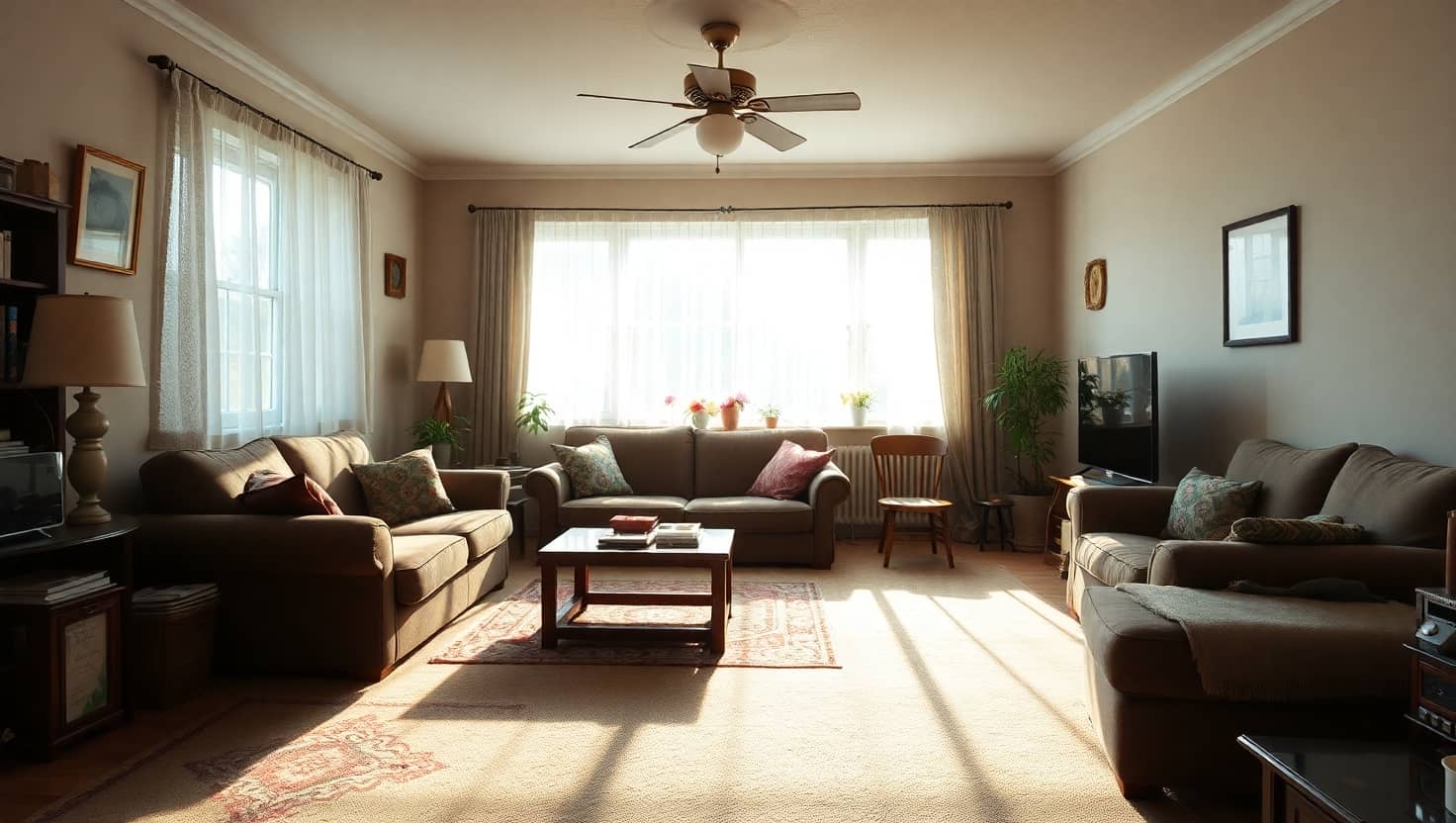
These are approachable starting points. They don’t require vision. They just require presence.
You’re not committing to fixing the room. You’re spending thirty minutes with it.
That distinction keeps momentum gentle instead of brittle.
Start With What Requires the Least Thought
In a short decluttering window, thinking is more expensive than moving.
So the first few minutes are best spent on items that don’t ask questions of you.
Trash is the obvious example, but it’s not the only one. Anything that already has a clear home. Anything that’s meant to leave the room. Anything you can act on without checking in with your feelings.
This does two things at once.
It creates visible change early, which settles your nervous system. And it preserves your decision-making energy for later, when things get slightly more nuanced.
There’s no need to hunt for the “right” order. Just notice what your hands already want to do. That instinct is usually pointing you toward low-resistance progress.
As items move out of the room or back where they belong, space opens naturally. Not just physical space, but mental space too.
The room starts cooperating.
This is often where people feel tempted to speed up. To capitalize on momentum. To see how much more they can squeeze in.
You don’t need to.
Steady is enough. The clock is doing the boundary work for you.
Let One Surface Be Enough
In thirty minutes, you don’t need to touch everything.
In fact, it helps to decide—explicitly—that one surface is enough.
A desk. A nightstand. A coffee table. Part of the counter.
Surfaces hold energy. When they’re crowded, they keep reminding you of unfinished business. Clearing even one of them changes how the room feels to be in.
The key is to let that be sufficient.
You’re not using the surface as a warm-up. You’re letting it be the work.
As you sort through it, aim for simple decisions. Keep, move, or let go. No deep organizing. No rethinking your systems. Just restoring clarity to that one visible area.
When the surface is done, pause for a moment. Actually look at it. Let your eyes register the difference.
That pause isn’t indulgent. It helps your brain connect effort with relief, which is what makes this kind of work feel repeatable instead of draining.
If time remains, you can choose another small area. If it doesn’t, you still finished something real.
Stop Before the Room Asks for More
One of the quiet skills in learning how to declutter a room in 30 minutes is knowing when to stop—even if you could keep going.
Especially then.
Stopping on time teaches your brain that decluttering doesn’t steal the rest of your day. It doesn’t spiral. It doesn’t require recovery.
That trust is what makes it easier to return another day.
As the timer winds down, resist the urge to squeeze in “just one more thing.” Use the final moments to reset the space you’re leaving behind.
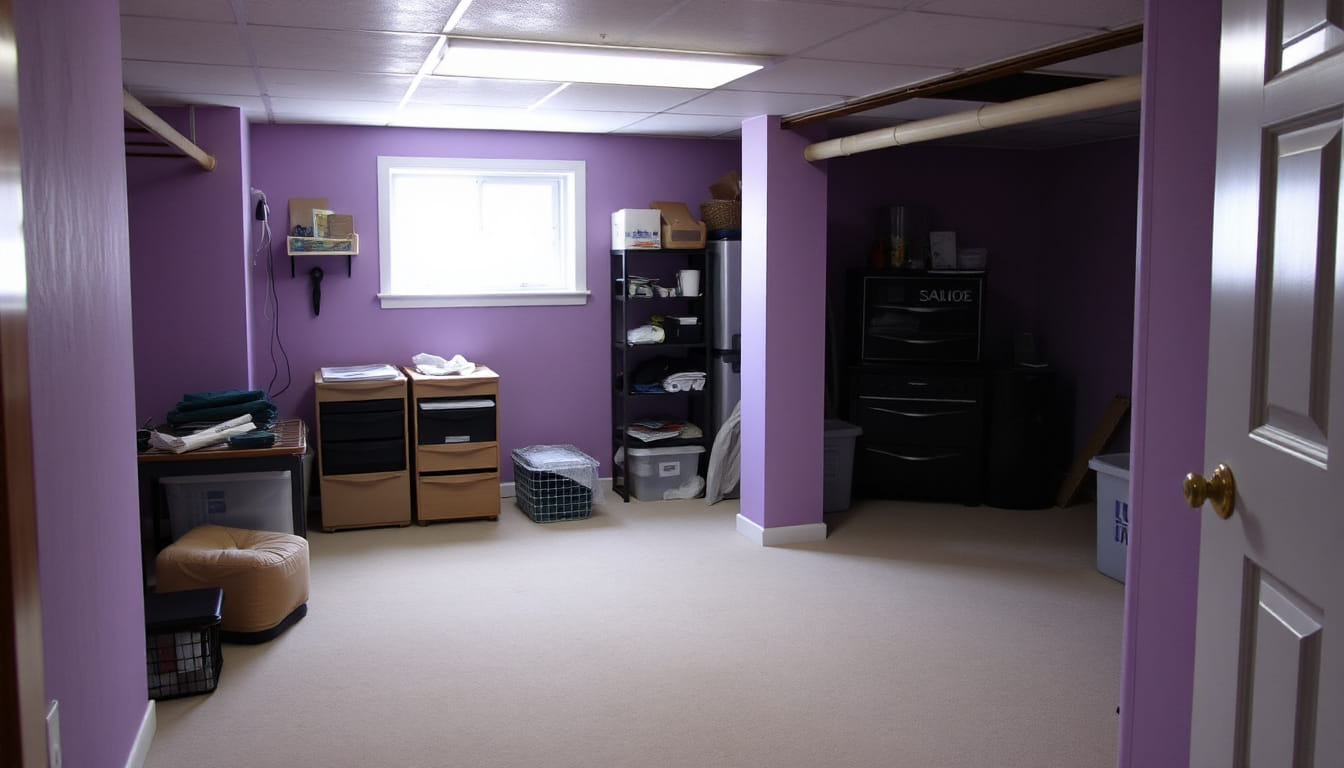
Put tools away. Return bags or boxes to a neutral spot. Leave the room in a state that feels closed, not paused.
This isn’t about discipline. It’s about containment.
When decluttering has clean edges, it stops leaking into the rest of your life. And that’s often what makes it sustainable—not how much you get done, but how intact you feel when you’re finished.
You’re allowed to end here.
Work With the Room’s Natural Traffic
Every room has patterns you don’t need to invent.
There are places where you always set things down. Spots you walk through without thinking. Surfaces that quietly collect whatever passes through your hands on the way to something else.
When you’re decluttering in a short window, it helps to notice those patterns instead of fighting them.
Rather than asking, “What should this room look like?” try asking, “How is this room already being used?”
That question lowers resistance. It keeps you from creating systems that only work on ideal days.
As you move through the room, pay attention to where clutter keeps reappearing. That’s not failure. It’s information. It tells you where the room is asking for easier solutions, not stricter ones.
A hook near the door instead of a chair. A shallow tray instead of a deep bin. An open basket instead of a closed drawer.
You don’t need to solve any of that today. Simply noticing it while you declutter changes how you handle items in the moment.
You may decide to relocate a few things closer to where they naturally land. Or you may just clear space so movement through the room feels smoother.
Either way, you’re working with the room instead of correcting it. That cooperation saves time and energy—two things you’re intentionally limiting to thirty minutes.
Keep “Maybe” Decisions Out of the Room
Short decluttering sessions work best when the room stays simple.
The biggest complication usually comes from “maybe” items—things you’re not ready to decide about, but don’t want to ignore either.
If those items stay in the room, they tend to stall you. Each one asks for emotional processing you didn’t budget time for.
A helpful boundary is to let the room remain a place for clear yeses and noes only.
When you come across something that brings up hesitation, move it out of the room without resolving it. A box in the hallway. A bag by the door. Somewhere neutral.
This isn’t avoidance. It’s containment.
You’re telling yourself, “This matters, just not right now.”
That permission keeps momentum intact. It also prevents the room from becoming a holding space for unfinished decisions, which is often how clutter regenerates.
By the end of the session, the room reflects clarity—even if other decisions are waiting elsewhere.
And clarity is calming, even when it’s partial.
You can always return to those “maybe” items later, with more time and steadier energy. They don’t need to be solved in the same space where you’re trying to restore ease.
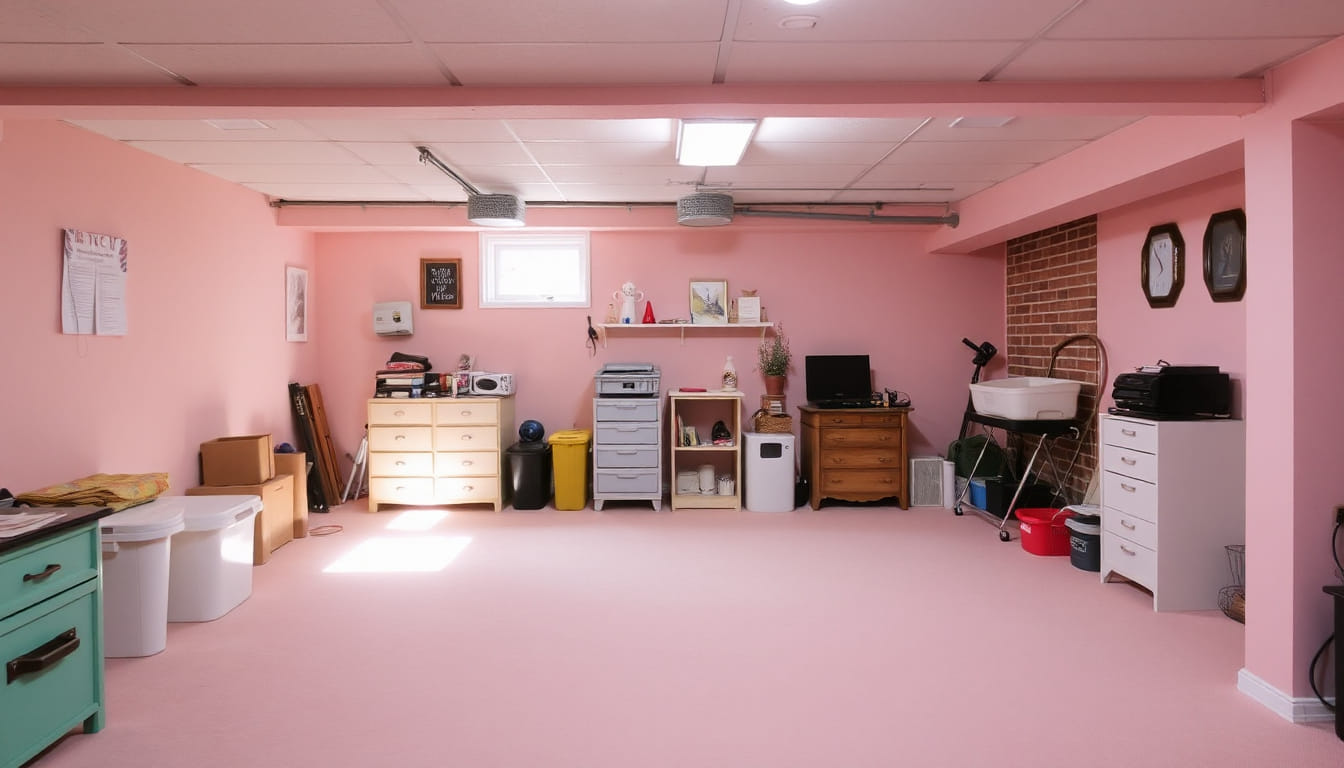
Notice When Your Energy Starts to Shift
Thirty minutes isn’t just a time limit. It’s an energy limit too.
Somewhere in the middle of the session, you may feel a subtle shift. Your movements slow. Decisions feel heavier. Small things start to irritate you.
That’s not a sign to push through. It’s a cue to adjust.
This is usually the moment when people either abandon the process or overextend it. Neither option feels good afterward.
Instead, let the work become simpler when your energy dips.
Return items to obvious homes. Straighten what’s already decided. Group like things together without reorganizing them.
These actions still support the room, but they don’t ask much of you.
Paying attention to this shift is a skill. It keeps decluttering from becoming another place where you ignore your limits.
When you respect that signal, you finish the session feeling steady instead of depleted. And that steadiness is what makes it possible to come back another day.
You’re not trying to train endurance here. You’re practicing responsiveness—to the room and to yourself.
Allow “Better” to Count as Finished
A common quiet tension during short decluttering sessions is the sense that improvement doesn’t count unless it’s dramatic.
But “better” is often the most sustainable outcome.
If the room is easier to enter, easier to move through, or easier to rest in, then something meaningful has shifted—even if clutter still exists.
Let that be enough.
When you’re decluttering a room in 30 minutes, you’re not aiming for completion. You’re aiming for relief that fits inside your real life.
This reframing matters because it changes how you leave the room.
Instead of scanning for what’s still wrong, notice what’s less heavy. A clearer surface. A path that’s open again. Fewer items asking for attention all at once.
Those small changes affect how the room supports you day to day.
They also reduce the mental load the space carries. Which is often the part that drains people more than the physical mess.
Progress that respects your limits tends to hold. Not because it’s perfect, but because it didn’t cost you too much to create.
Let the Room Rest Between Sessions
Once the thirty minutes are over, it can be tempting to immediately plan the next round.
What you’ll do tomorrow. What still needs attention. How long it will take to “really” finish.
You don’t need to do that yet.
Let the room rest.
Spend some time simply using it as it is now. Notice what feels easier. Notice what still feels sticky. This quiet observation often reveals more than active problem-solving.
When you give a room space between sessions, it shows you what changes are actually helpful versus what was just movement.
Some things may naturally stay tidy. Others may drift back. Both are useful information.
This pause isn’t a delay. It’s part of the process.
Decluttering that sticks tends to move in cycles—action, rest, awareness—rather than constant effort.
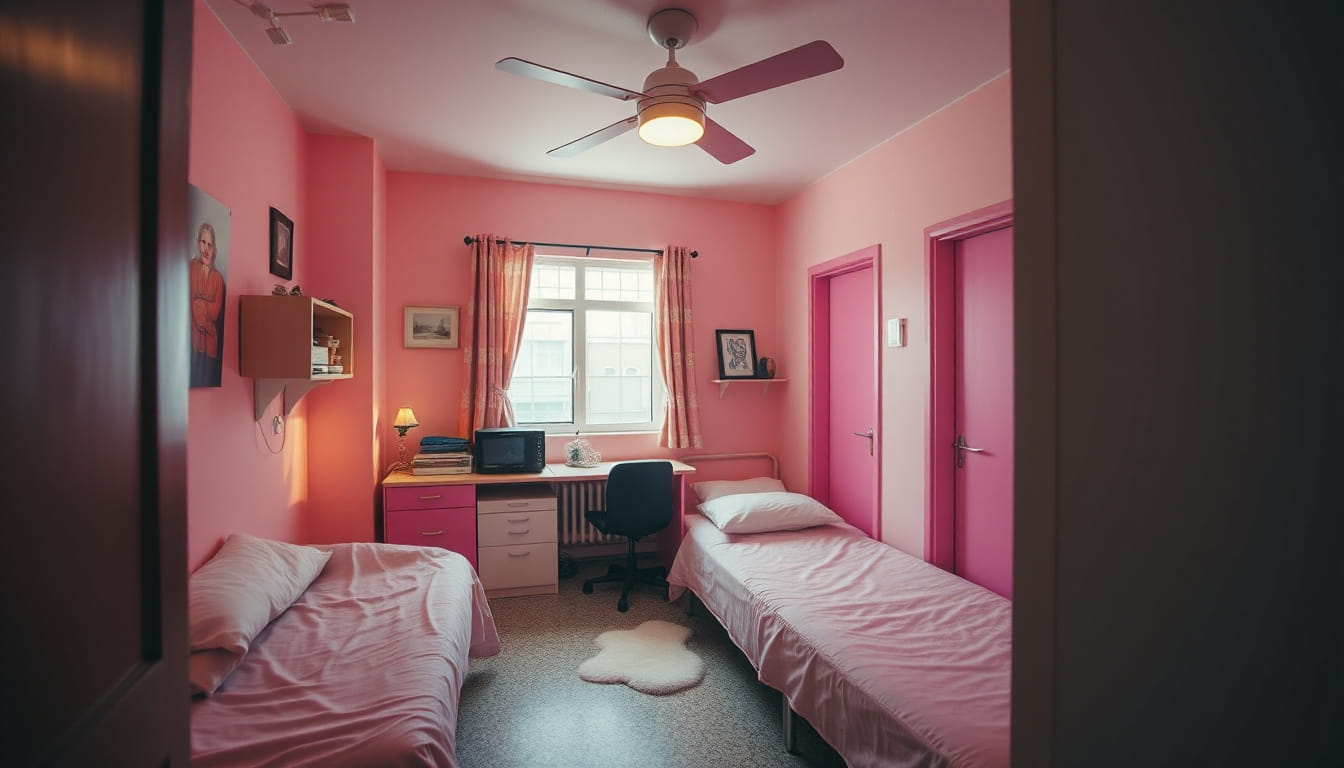
For now, the room doesn’t need more from you. It needs to be lived in.
That’s how you learn what to do next, without forcing it.
Use the Timer as a Neutral Referee
A timer can feel harsh if it’s treated like a boss.
But when it’s used as a neutral referee, it actually reduces pressure.
Instead of constantly checking the clock or wondering how much longer you should keep going, the timer quietly holds the boundary for you. It removes the need for internal negotiation, which is where a lot of stress sneaks in.
You’re not deciding when to stop. You’re not deciding how long this should take. You’re just responding to the time that’s already been set.
This matters because decluttering often triggers a subtle urge to “make it worth it.” To push a little longer so the effort feels justified. The timer interrupts that pattern.
When it goes off, the decision is already made.
That clear ending allows you to work more calmly within the window. There’s less urgency to rush, and less temptation to overthink. You can move steadily, knowing there’s a firm edge ahead.
If the timer ends mid-task, that’s okay. You’re allowed to stop imperfectly. The room doesn’t need you to resolve everything in one pass.
Over time, your nervous system starts to trust this structure. It learns that decluttering has limits—and that makes starting feel safer the next time.
Focus on Removal, Not Rearranging
In short sessions, rearranging can disguise itself as progress.
Moving items from one spot to another feels active, but it often keeps the same volume of stuff circulating in the room. The space looks different, but it doesn’t feel lighter.
When your goal is to declutter a room in 30 minutes, removal does more for relief than reorganization.
This doesn’t mean making big decisions. It simply means prioritizing anything that leaves the room altogether.
Trash. Donations you already know about. Items that clearly belong somewhere else.
Each thing that exits reduces visual noise and mental load. The room gets quieter with less effort from you.
Rearranging has its place, but it tends to work better after volume is reduced. Otherwise, you’re just redistributing pressure.
If you notice yourself fussing with placement, pause and ask whether something could leave instead. Often, that shift is enough to break the loop.
You’re not trying to perfect the room’s layout. You’re creating breathing room.
And breathing room changes how a space feels immediately, even if nothing is beautifully arranged yet.
Let Incomplete Sorting Be Intentional
Not every category needs to be finished to be useful.
In a thirty-minute window, partial sorting is often the most realistic option. And when it’s intentional, it still helps.
You might gather all papers into one stack without going through them. Or pull together cables, books, or toiletries without deciding their final homes.
This kind of grouping reduces scatter. It makes the room feel more coherent, even if decisions are deferred.
The key is to stop short on purpose, rather than because you ran out of energy unexpectedly.
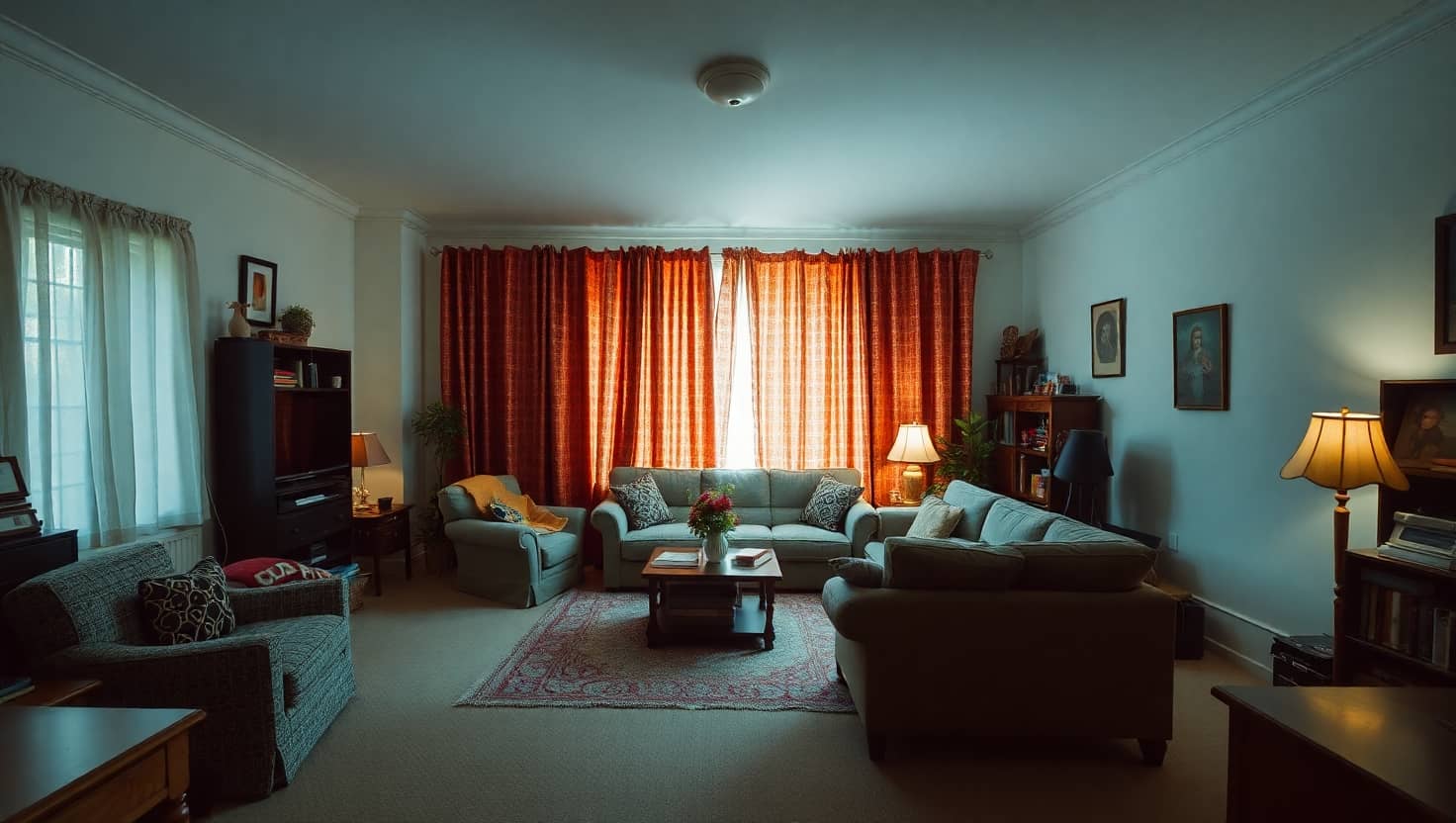
When you choose to leave sorting incomplete, you remove the sense of failure that can linger afterward. You know exactly why it’s unfinished, and that makes it easier to return to later.
Think of it as preparing the ground rather than completing the task.
The room benefits now because items are less spread out. And future you benefits because the starting point is clearer.
Decluttering doesn’t have to move in straight lines. Sometimes gathering is the whole win for the day.
Pay Attention to What You’re Avoiding
During a short session, avoidance shows up quietly.
You may notice yourself cleaning the same area repeatedly. Or gravitating toward easy items while steering clear of a particular drawer, pile, or shelf.
This isn’t something to push through aggressively. But it’s worth noticing.
Often, what you’re avoiding isn’t harder—it’s heavier. It carries more memory, more identity, or more uncertainty.
Simply naming that to yourself can change how the session feels.
You don’t need to open the drawer. You don’t need to face the pile. You just need to recognize that it exists.
That acknowledgment reduces its background tension. The room stops feeling vaguely unresolved, even if the item remains untouched.
Over time, this awareness helps you choose better timing. You learn which things require more space and which are suitable for quick sessions.
For now, you’re allowed to work around what’s heavy. The goal is relief, not confrontation.
Leave the Room Slightly Better Aligned With You
At the end of the thirty minutes, before you fully step away, take a moment to ask a softer question.
Not “Is this done?” But “Does this room support me a little better than it did?”
Support can look small.
An open spot where you usually put your bag. A cleared chair you can sit in again. A surface that no longer demands attention the moment you walk in.
These changes matter because they affect how the room meets you in daily life. They reduce friction in subtle, ongoing ways.
You don’t need to optimize the room. You’re tuning it—slightly—toward ease.
When you finish with that perspective, decluttering stops feeling like an obligation you failed to complete. It becomes a quiet adjustment that fit into the life you already have.
And that’s often what allows these short sessions to add up, without asking more than you can give.
When Short Sessions Start to Change the Pattern
If these thirty-minute resets feel different, that’s worth noticing.
Not because they’re impressive, but because they don’t ask you to override yourself. They stay contained. They respect timing. They leave you with more energy than they take.
For many people, that’s the missing piece. Not another method, but a way of working that doesn’t collapse under real life.
At some point, it can be helpful to look at why certain approaches finally hold while others fade out. Not as a lesson, but as context. Understanding that shift can quietly change how everything else fits together.