The 10 Minute Declutter That Fits Into Real Life
The idea of a 10 minute declutter often sounds almost too small to matter. That reaction makes sense. Most of us were taught that clearing space requires blocks of time, high energy, and a certain mental sharpness we…
The idea of a 10 minute declutter often sounds almost too small to matter. That reaction makes sense. Most of us were taught that clearing space requires blocks of time, high energy, and a certain mental sharpness we don’t always have access to. So when something promises to fit into ten quiet minutes, it can feel suspicious.
This isn’t about squeezing productivity out of a short window. It’s about creating an entry point that doesn’t ask you to rearrange your day or your mindset. Ten minutes is short enough that your brain doesn’t brace for impact. You don’t have to warm up. You don’t have to plan. You can simply start where you are.
What makes this approach workable is not the timer itself. It’s the way a short boundary changes your relationship to the task. Ten minutes gives you permission to stay surface-level. It removes the expectation of completion. You’re not fixing a room or solving clutter. You’re just spending a few minutes noticing and responding.
That shift matters. When the task feels contained, resistance softens. You’re less likely to stall out deciding where to begin, because the commitment is modest. You’re less likely to overthink, because there isn’t time to spiral. The work stays light, and because it stays light, it actually happens.
A 10 minute declutter is not a shortcut. It’s a softer starting line.
Why short decluttering sessions lower mental strain
Long decluttering sessions tend to fail for reasons that have little to do with motivation. They fail because of cognitive load. Every item asks a question. Every decision takes energy. Over time, that quiet demand adds up, and your brain looks for an exit.
A 10 minute declutter changes the math. When the session is brief, your mind doesn’t go into conservation mode. You’re not subconsciously saving energy for later because later never comes. There is only this small slice of time, and that makes it easier to stay present.
Short sessions also reduce the emotional weight of choice. You’re not deciding what stays in your life long-term. You’re deciding what needs attention right now. That distinction lowers the stakes. It’s easier to put something back where it belongs than to decide whether it deserves a place forever.
Another quiet benefit is recovery. When you stop before you’re tired, your nervous system doesn’t associate decluttering with depletion. You finish while you still feel steady. That matters more than the number of items moved, because it shapes whether you’ll return tomorrow.
This is why ten minutes works even on days when focus is thin. It respects the limits of attention instead of challenging them. Over time, that respect builds trust, and trust is what keeps small routines alive.
Letting go of the idea that progress must look dramatic
One of the biggest obstacles to a 10 minute declutter is the belief that progress should be visible and impressive. We’re conditioned to look for clear before-and-after moments, and anything less can feel like it doesn’t count.
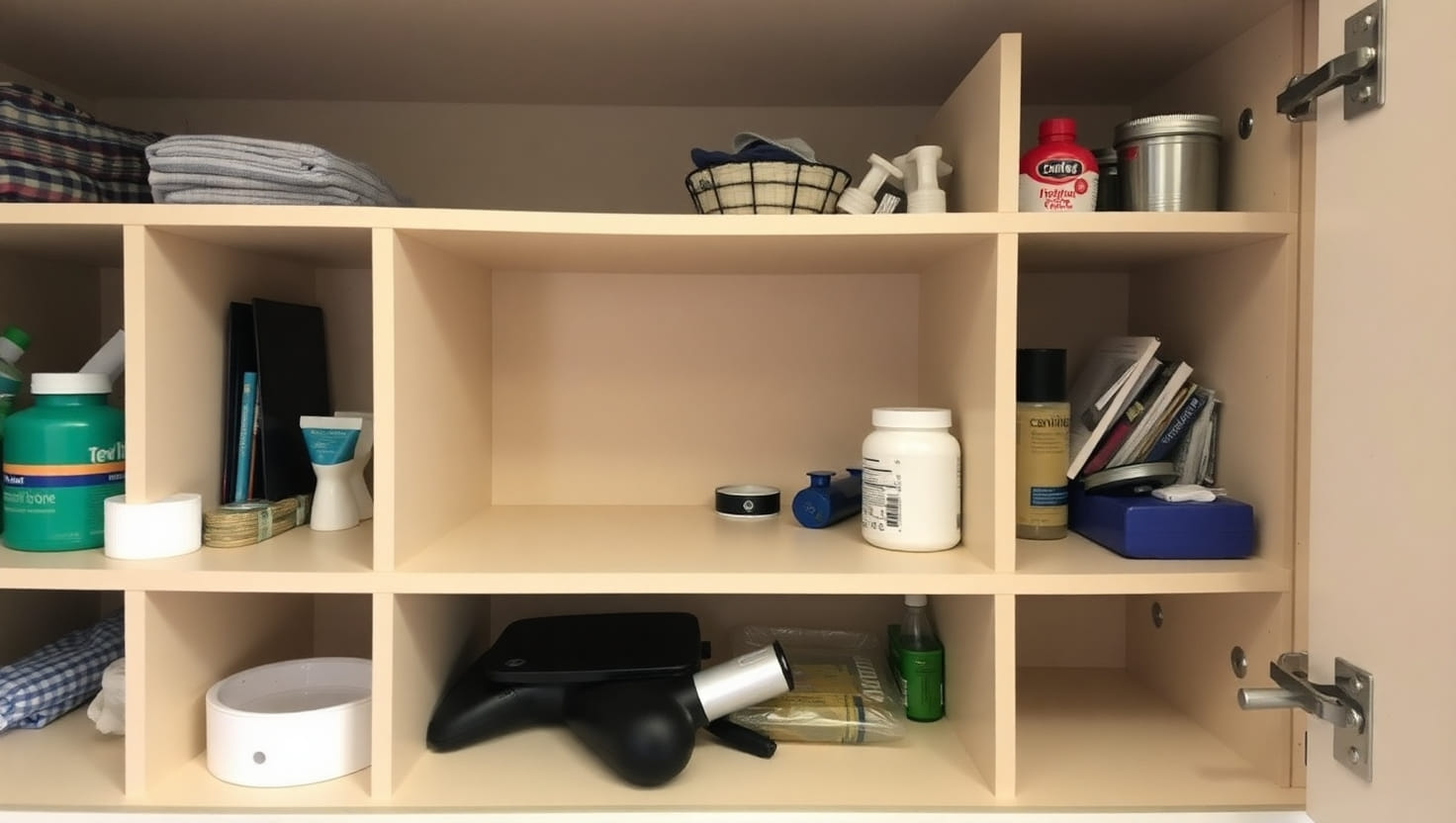
In short sessions, progress is often subtle. A drawer that closes more easily. A surface that feels calmer. A stack that is a little shorter. These changes don’t photograph well, but they change how a space functions. They reduce friction in ways you feel more than see.
When you release the need for drama, you also release pressure. You’re no longer trying to prove that your time was well spent. The measure becomes internal. Does the space feel slightly easier to use? Does your body feel a little less tense when you walk past it?
This reframing is important because dramatic progress usually requires dramatic effort. Subtle progress can happen quietly, alongside a normal day. It doesn’t ask you to be a different kind of person or live a different kind of schedule.
A 10 minute declutter works best when it’s allowed to be ordinary. Not every session will be satisfying. Some will barely register. That doesn’t mean they failed. It means they blended into real life, which is exactly where lasting change has room to grow.
Choosing what fits inside ten minutes
Ten minutes is not enough time for everything, and that’s part of its usefulness. The boundary forces clarity. You’re not deciding what you could do. You’re deciding what makes sense to do right now.
Tasks that work well in a 10 minute declutter are those with a natural stopping point. Clearing obvious trash. Returning items to their home. Grouping like things so they’re easier to see. These actions don’t require deep thought, and they don’t open emotional loops that need more time to close.
It can help to think in terms of surfaces and edges rather than categories. A small table. One shelf. The floor of a closet. When the space is physically limited, it’s easier to stay within the time limit without rushing.
What you leave undone is just as important. Ten minutes is not the moment to tackle sentimental items or complex storage decisions. Those deserve a different kind of attention. By not pulling them into a short session, you protect the ease of the routine.
Over time, this selective approach builds confidence. You learn what fits and what doesn’t. The boundary becomes familiar, and familiarity reduces friction. You’re no longer asking, “Can I do this today?” You’re simply noticing what fits inside the time you have.
How repetition quietly changes your relationship with clutter
The real power of a 10 minute declutter doesn’t come from any single session. It comes from repetition without intensity. When you return to your space regularly in small ways, clutter stops feeling like a crisis and starts feeling like information.
You begin to notice patterns. Where items tend to land. Which areas collect clutter fastest. What you avoid touching because it feels heavier. These observations arise naturally when you’re not rushing to fix everything at once.
Because the sessions are brief, you’re more likely to stop before frustration sets in. That means your last memory of decluttering is neutral or even calm. Over time, that changes the emotional tone of the task. It becomes something you can approach without bracing yourself.
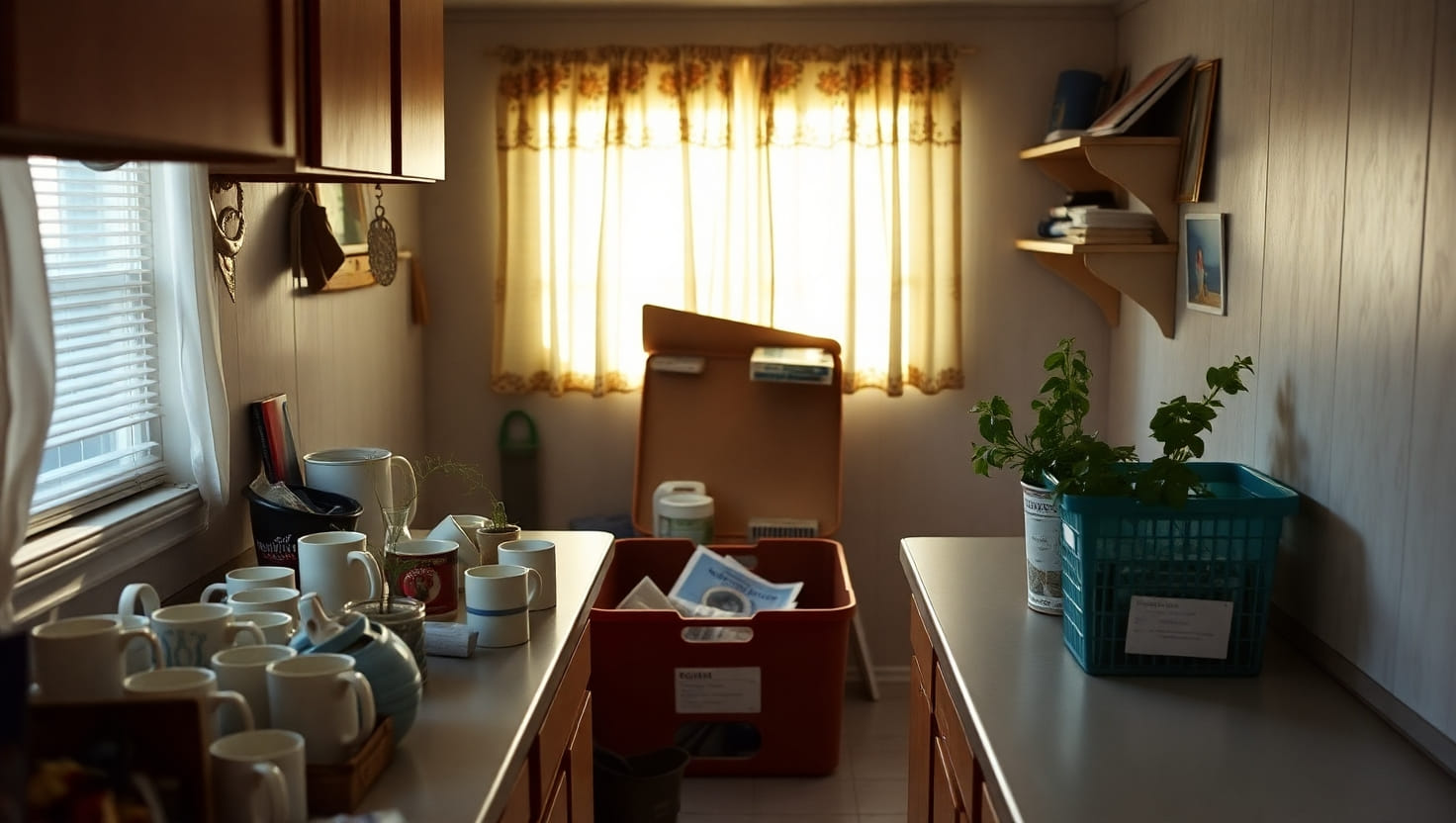
Repetition also reduces the need for big resets. When small adjustments happen often, clutter doesn’t have time to harden. You’re responding early, when things are still manageable.
This is not about building discipline. It’s about building familiarity. Ten minutes, repeated gently, teaches your nervous system that tending to your space is safe and finite. From that place, larger changes can emerge later, if and when they make sense.
When ten minutes feels harder than an hour
There are days when a 10 minute declutter feels strangely impossible. Not because it’s too long, but because it asks you to engage at all. This is usually a signal about mental load, not about clutter itself.
When your mind is already full, even small tasks can feel intrusive. Ten minutes still requires a transition. You have to stop what you’re doing, shift your attention, and tolerate a bit of disorder before it improves. On low-capacity days, that can feel like too much.
It helps to recognize that this resistance isn’t a failure of the method. It’s information. It tells you that your system might need something gentler than action. Sometimes the most supportive version of a 10 minute declutter is simply walking through a space and noticing what stands out, without touching anything.
There’s also value in redefining what “counts.” Sitting on the floor and sorting a single small pile. Opening a drawer and removing one thing that doesn’t belong. These moments still orient you toward care, without demanding momentum.
Ten minutes is a container, not a requirement. You’re allowed to step into it lightly or not at all. The consistency that matters most is not daily action, but repeated permission to return when your energy allows it.
Using time limits to prevent overthinking
One quiet benefit of a 10 minute declutter is how it interrupts overthinking. When time is open-ended, decisions expand to fill the space. You start considering every possible outcome, and progress slows under the weight of too many options.
A short time limit narrows the field. There simply isn’t room to analyze every item deeply. That constraint can feel uncomfortable at first, especially if you’re used to being thorough. But it also creates relief. You’re allowed to make provisional decisions.
This is where returning items to their obvious home becomes powerful. You’re not redesigning systems. You’re restoring basic order. The question shifts from “What’s the perfect solution?” to “Where does this belong right now?”
Overthinking often comes from fear of making the wrong choice. Ten minutes softens that fear by making every choice temporary. You’ll be back. Nothing is final. That perspective reduces the pressure to get it right.
As this pattern repeats, your confidence grows quietly. You learn that most decisions don’t need extended deliberation. The space responds even to small, imperfect actions. Over time, the habit of quick, kind decisions replaces the habit of avoidance, and decluttering feels less like a mental test.
The role of stopping on purpose
Stopping is an essential part of a 10 minute declutter, not an afterthought. When the timer ends, you stop—even if you’re in the middle of something. This can feel counterintuitive, especially if momentum has finally arrived.
But stopping on purpose teaches your nervous system an important lesson. It shows that decluttering has boundaries. It won’t take over your day. It won’t demand more than you agreed to give.
This is particularly important if you’ve experienced burnout from long cleaning sessions in the past. By ending while you still have energy, you rewrite the story of what this work costs you.
There’s also a practical benefit. When you stop mid-task, you create a natural entry point for next time. The work feels unfinished in a gentle way, not an urgent one. You know exactly where to begin again.
Over time, this pattern builds trust. You trust yourself to stop. You trust the process to continue later. That mutual trust is what allows small routines to persist without force.
How ten minutes supports changing seasons of life
Life rarely stays steady. Energy levels shift. Schedules change. Responsibilities expand and contract. A 10 minute declutter adapts more easily to these changes than larger systems do.
During busy seasons, ten minutes may be all that’s available. In quieter seasons, it may feel like a warm-up rather than the whole effort. In both cases, the structure still fits.
This flexibility matters because it removes the need to constantly renegotiate your approach. You’re not abandoning a system when life gets full. You’re simply meeting it at a smaller scale.
Ten minutes also respects emotional seasons. During times of transition or stress, deep decluttering can feel destabilizing. Short sessions allow you to maintain your space without stirring more than you can process.
As life shifts, the focus of those ten minutes may change. Sometimes it’s maintenance. Sometimes it’s preparation. Sometimes it’s just keeping pathways clear. The method stays the same, but its role evolves with you.
Letting the routine stay unfinished
A common impulse is to look for an endpoint. A moment when decluttering will be “done.” The 10 minute declutter quietly resists that idea. It’s not designed to finish your home. It’s designed to keep you in relationship with it.
This can feel unsettling if you’re craving closure. But it can also be freeing. When the goal is not completion, there’s less pressure to push through discomfort. You’re allowed to leave things imperfect.
An unfinished routine is easier to live with than an abandoned one. Ten minutes, repeated without expectation, keeps the door open. You’re never starting from scratch, even after breaks.
Over time, this creates a different kind of progress. Not a dramatic transformation, but a steady easing. Spaces become more responsive. You notice issues earlier. You intervene more gently.
The routine doesn’t demand that you change who you are. It adapts to who you already are, right now. And that adaptability is what allows it to stay with you, quietly, over the long run.
When a small routine reveals bigger friction points
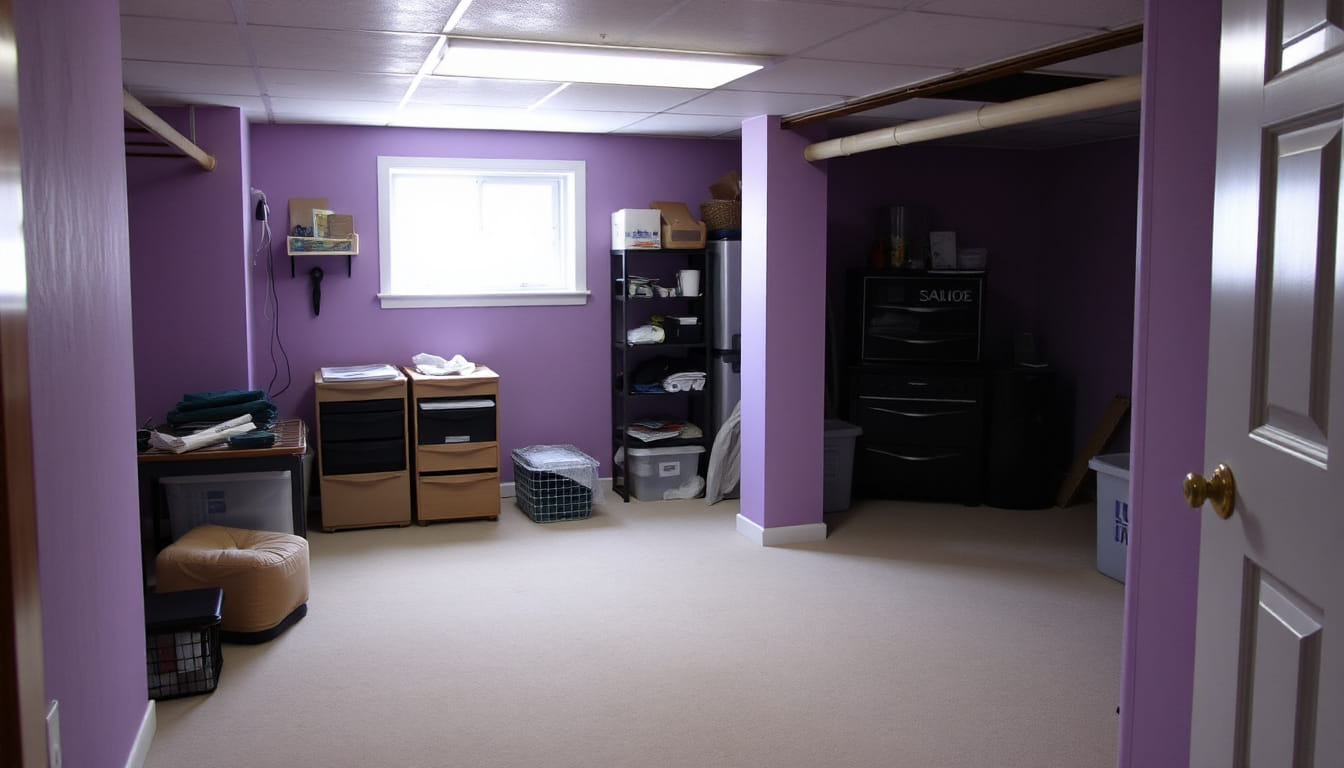
As you repeat a 10 minute declutter, certain areas will keep drawing your attention. The same drawer. The same corner. The same surface that never quite stays clear. This repetition can feel discouraging at first, but it’s actually useful information.
These friction points aren’t failures of follow-through. They’re signals about mismatch. Something about that space doesn’t support how it’s being used. Maybe it holds too much. Maybe it’s too far from where items are needed. Maybe it’s absorbing overflow from elsewhere.
Short sessions make these patterns visible without forcing you to solve them immediately. Because you’re not trying to overhaul the space, you can simply notice what resists staying settled. That noticing is often the first real step toward change.
Importantly, you don’t have to act on these insights right away. Awareness alone can soften frustration. Instead of thinking, “Why can’t I keep this area clear?” the question becomes, “What is this space being asked to do?”
Over time, these observations accumulate quietly. They inform future decisions without urgency. When you eventually adjust a system or reduce what’s stored there, the change feels grounded, not reactive. The ten minutes didn’t fix the problem, but they made it understandable.
The difference between maintenance and decision-heavy work
Not all decluttering is the same kind of effort. Some tasks are maintenance-based. Others are decision-heavy. A 10 minute declutter works best when you’re clear about which mode you’re in.
Maintenance tasks are about restoring order. Putting things back. Clearing obvious clutter. Resetting spaces so they’re easier to use. These actions rely on existing decisions and don’t require much emotional energy.
Decision-heavy work is different. It asks you to evaluate, let go, and redefine boundaries. That kind of work can be meaningful, but it’s also draining. Trying to compress it into ten minutes often leads to avoidance or regret.
Short sessions protect you by keeping the focus on maintenance unless you intentionally choose otherwise. They create a rhythm of care without demanding constant reassessment of your belongings.
This distinction also reduces self-criticism. If you stop expecting deep decisions to happen in small windows, you stop interpreting their absence as procrastination. You’re simply matching the task to the time.
Over the long run, maintenance keeps clutter from accumulating, which reduces how often decision-heavy sessions are needed. The ten minutes don’t replace deeper work. They create conditions where it’s less urgent and more optional.
How mood influences what ten minutes can hold
Your emotional state shapes how a 10 minute declutter feels. On steady days, the time may pass quickly. On tender days, even small actions can stir unexpected feelings. This variability is normal, and it’s worth accommodating.
When emotions are close to the surface, physical spaces can act as triggers. Objects carry memory, obligation, and identity. A short session limits how deeply you enter that territory, but it doesn’t eliminate it entirely.
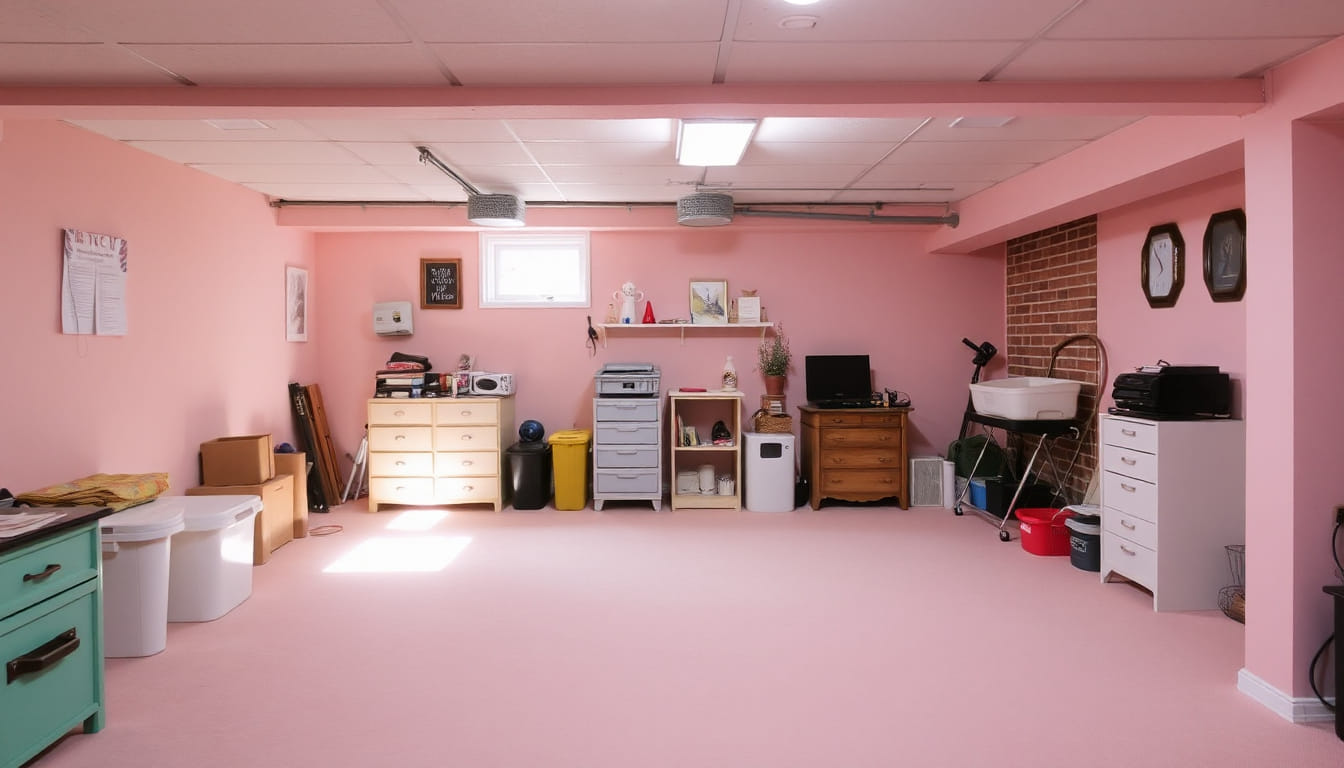
On days like this, it can help to narrow the scope even further. Choose neutral areas. Focus on tasks with minimal emotional charge. The goal isn’t to push through discomfort, but to stay regulated.
It’s also okay to let ten minutes be observational rather than active. Sitting in a room and noticing what feels heavy or light is still a form of engagement. It maintains the relationship without forcing output.
By allowing your mood to guide the shape of the session, you prevent the routine from becoming another demand. The consistency comes from returning with honesty, not from performing the same actions regardless of how you feel.
This flexibility keeps the practice humane. It acknowledges that decluttering doesn’t happen in a vacuum. It happens inside real days, with real emotional weather.
Allowing the pace to remain slow on purpose
In a culture that values speed, a 10 minute declutter can easily be co-opted into a race. How much can you get done? How efficient can you be? This framing quietly undermines what makes the method supportive.
The intention is not to maximize output. It’s to maintain a manageable pace. Moving slowly enough to stay present. Quickly enough to avoid rumination. That balance is subtle, and it’s personal.
When you allow the pace to remain gentle, you give yourself room to respond rather than react. You notice when something feels off. You pause when a decision needs more time. You stop before irritation sets in.
This slowness doesn’t mean inactivity. It means choosing steadiness over intensity. The work may look unremarkable from the outside, but it feels sustainable from the inside.
Over time, this approach reshapes your sense of what progress requires. You learn that consistent, low-pressure effort can shift a space more reliably than bursts of motivation.
The ten minutes become less about the clock and more about the quality of attention you bring. That quality is what carries forward, even when the session ends.
Letting the practice stay quiet and personal
A 10 minute declutter doesn’t need to be shared, tracked, or optimized. It can remain quiet. Something you do without commentary or comparison. This privacy protects its ease.
When routines become performative, they pick up pressure. You start measuring them against ideals or other people’s results. The simplicity that made them workable begins to erode.
Keeping the practice personal allows it to adapt freely. Some weeks it happens often. Some weeks it barely happens at all. There’s no narrative to maintain, only a gentle return when it feels possible.
This quiet consistency builds a different kind of confidence. Not the confidence of achievement, but the confidence of self-trust. You know you can tend to your space in small ways without it becoming overwhelming.
Over time, the practice integrates into your sense of home. It’s no longer a project or a plan. It’s a familiar way of responding when things feel a little off.
There’s no finish line here, and no audience. Just a small, repeatable gesture of care that stays available to you, exactly as it is.
When ten minutes isn’t the whole answer
For many people, a 10 minute declutter is where things finally become manageable. It creates space, lowers tension, and proves that change doesn’t have to be dramatic to be real. But for some, there comes a quiet moment when you notice that effort alone isn’t the issue anymore. You’re showing up. You’re doing the small resets. And still, something isn’t quite settling.
That’s usually not a willpower problem. It’s a structure one. The kind that has more to do with how decluttering fits into your life than how often you do it. When that question starts to surface, it’s often a sign that you’re ready for a different layer of support—one that builds on what you’re already doing, rather than replacing it.